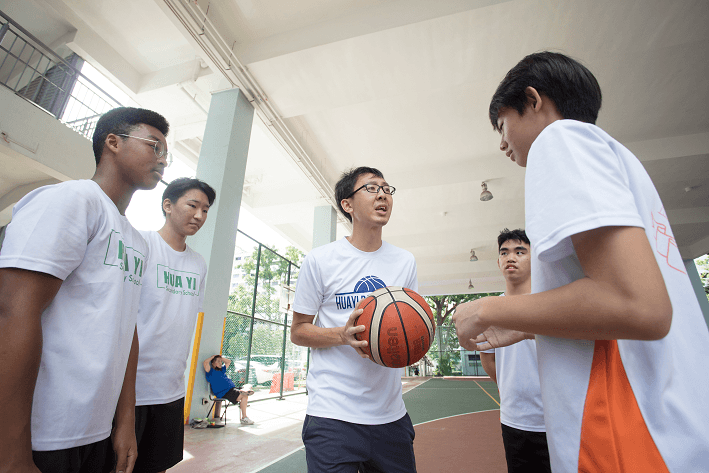





How does one build a culture where people feel they truly belong? How does one lead culture change without losing trust? How do we turn shared values from wall posters into daily practice? These are enduring questions for both new and seasoned leaders.
Mr Kevin Pang successfully guided Yuhua Secondary School through its post-merger transition towards a renewed culture and identity. He has also led across a wide spectrum of school settings, from junior college, to special needs institution, and now ACS (Independent), a specialised independent school with a long and storied heritage.
He offers strategies to forge a stronger culture that resonates.
1. Define culture as lived experience, not stated aspiration.
“To me, school culture is the daily lived expression of what we believe, value, and practise together,” says Mr Pang. “It is reflected not just in policies but in the ‘soft culture’ of everyday interactions between students, staff and stakeholders — how decisions are made, how we treat one another, and most tellingly, how we respond to difficulties.”
At Yuhua Secondary, the mission “Care, Connect, Contribute” shaped decisions large and small – from looking after every student and staff’s well-being (caring), why Town Halls with students and dialogues sessions with staff mattered (connecting), to making courageous actions to transform school programmes and infrastructure (contributing).
When the culture is strong, he says, “people sense alignment, belonging and meaning — they know why what we do matters and how they can contribute to it”.
Leaders need to translate aspirations and purpose into lived practices. Vision and mission statements must come alive and be lived out as identity.
“Each school should have something proud and distinctive that defines itself,” says Mr Pang. That identity becomes the invisible force that guides behaviour even when no one is watching.
Insight: Strong organisational culture isn’t what’s written in your mission statement — it’s what people experience daily.
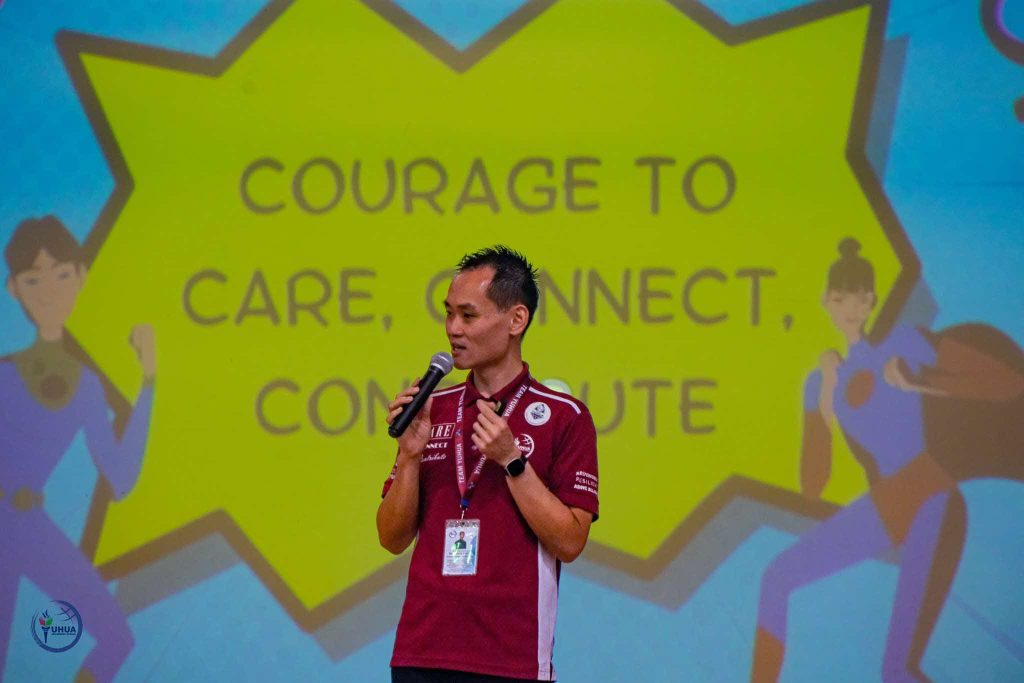
2. Sometimes the best diagnosis of culture is through close observation – no surveys needed.
Leaders often look to surveys to understand culture. But Mr Pang believes the most honest indicators lie in daily behaviours that require hard work and deep empathy to diagnose.
“You can see if there is a lack of pride, for example,” cites Mr Pang. He walks the ground regularly, noticing things like student attendance and punctuality, or how readily they comply with habits like returning their plates at recess.
“If you run a poll, you get some data points. However, numbers can mask a million wants and split a community with utterly divergent points of view. For example, all can share in a survey they want an improved canteen or a revamped library. But what should we realistically do to meet the needs of the community?”
At Yuhua, after diagnosing the need to ingrain a greater sense of pride and ownership, Mr Pang introduced open-mic sessions at town halls, gathered suggestions via Padlet, and facilitated qualitative discussions – suggestions taken up not via popular vote but via a considered process to help every member of the school better understand one another’s perspective. Subsequently, clear explanations of decisions taken were shared with the overall school community for common understanding.
Every year, the school reserved two days during curriculum time for students to brainstorm on improvements they wished to see. These sessions were facilitated to move beyond complaints and feedback, towards agency and a chance for all to “care-connect-contribute”. The result: greater ownership and noticeably stronger engagement, reflected in the school’s academic performance, daily interactions, and regular engagement surveys by the school and MOE.
Insight: The best cultural diagnostics aren’t always found in polls and survey, but in the small, everyday behaviours that reveal what people truly value.
3. Start with the ‘why’ before attempting the ‘what’ and ‘how’.
When Mr Pang first arrived at Yuhua Secondary School, he got all his School Leaders and Middle Managers to read and discuss Simon Sinek’s Leaders Eat Last, chapter by chapter, month after month.
This wasn’t a book club. It was intentional culture-building: shaping a shared understanding of purpose, built on a common language and belief system.
“What is the ‘why’ that binds us together? Without clarity of purpose, each of us will pursue our own priorities — and the culture fractures,” he explains. “A sense of oneness is essential for flourishing forward.”
Over the years, other leadership books his team had ploughed through together include Brené Brown’s Dare to Lead, Jim Collins’ Good to Great, and Kim Scott’s Radical Candor. The leaders in the school work in groups to discuss reflection points, and this contributes to building a shared sense of meaning and purpose.
Insight: Weak purpose, weak culture, weak outcomes. Establish shared meaning before implementing change.
4. Identify culture blockers – and fight the ‘ICU monsters’ together.
“Culture forms whether we pay attention to it or not,” says Mr Pang. “Left unmanaged, it drifts, shaped more by habit than by purpose.”
He warns of “ICU monsters”, an acronym he coined, on factors that can threaten culture:
- Individualism – driven by personal agendas
- Change – Unchecked complexity driven by external and internal factors
- Unhealthy Well Being Trends – Modern stressors beyond one’s control.
Ignored, these ‘monsters’ breed silos, fragmentation, fatigue, disengagement and a sense of futility.
“Leadership is a tango dance. Leaders set the tone; middle managers are the cultural translators. They turn aspirations into lived practice through everyday routines, conversations, decisions, and expectations. Staff, students and stakeholders reinforce and sustain culture when they experience consistency, dignity, and shared purpose. Keep an eye on the ICU monsters and if we keep them in check, the school community can best upkeep the organisation’s DNA in a common direction.”
Insight: Leaders ignite culture, but the community keeps it alive.
5. Grow your team beyond the need for external validation.
Strong culture helps teams withstand attention, scrutiny and shifting public expectations. A strong sense of self-authorship brings the organisation towards its desired DNA, without fickleness that comes with the need to gain outside approval.
To grow the team, Mr Pang often draws from Robert Kegan’s Adult Development Theory, which describes how adults grow by making meaning of the world around them. Most adults are at Stage 3, where validation from others matters deeply. He adopts the practice of L.O.V.E. – Listen, Observe, Validate and Empathise – gently nudging them towards Stage 4, where they become more confident in self-authoring.
“That is when we champion for something because we believe in it – not because we are seeking approval from others.”
Mr Pang applauds this as an inherent quality among many in the new generation of the workforce, who have a greater wish for ownership and to be heard. “My role as Principal is to create a culture where learning, honest dialogue, and mistakes are not punished but seen as part of collective growth.” This is where agency, voice and ownership to flourish grow.
Insight: Teams grounded in internal conviction are more resilient and less fragile.
6. Vulnerability matters – and no, it’s not about a new social media account.
Vulnerability is a leadership buzzword these days, and Mr Pang stands by it.
“Vulnerability isn’t about sharing your social media profile. It’s your heartbeat. True authenticity is about sharing your fears, hopes and aims.”
Mr Pang has been authentic to share vulnerability in the different leadership positions he has held. When he first met with the ACS (Independent) Board, he was also candid about his apprehension, faith and dreams. He was not an ACS alumnus, and the school’s profile differed greatly from his previous postings. He is however a Christian and has family members and friends who journeyed through ACS’ gates.
Candour creates connection, he says. “The community we journey with deserve to know who we are. Authenticity invites trust. The more authentic we are, the more our community will embrace us – regardless of our flaws and imperfections. When you put on a certain façade, leadership becomes a personal vanity project.”
And it becomes a two-way street. “Behind closed doors, colleagues open up and share with me their challenges. These conversations require tissues – but more importantly, a sense of safety, faith and trust.”
Insight: Vulnerability isn’t about curating relatability — it’s courageous honesty that builds trust.
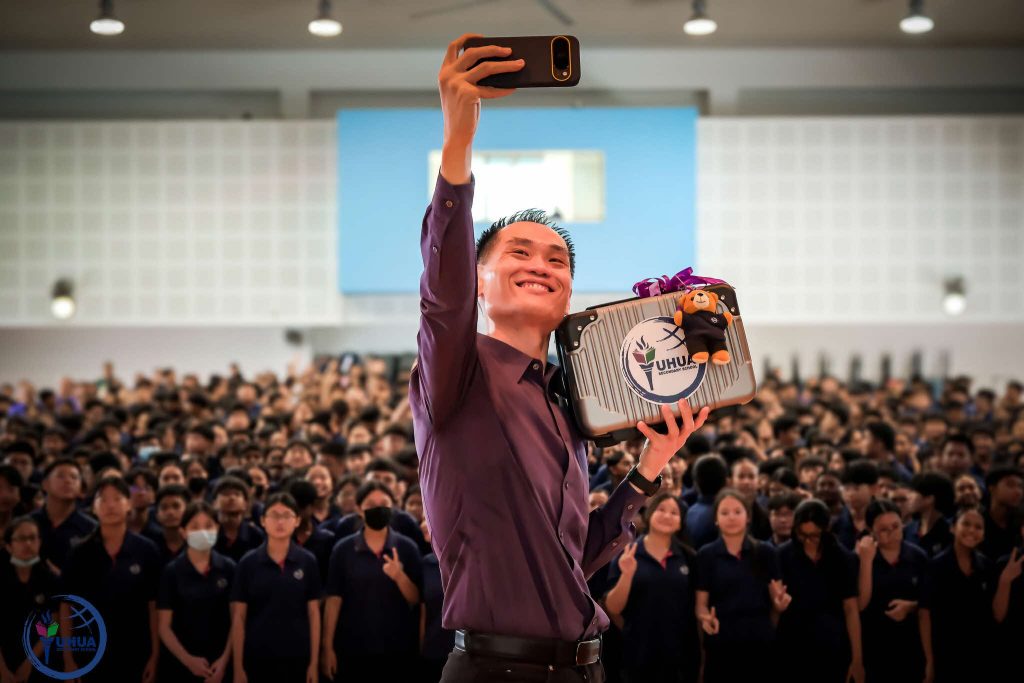
7. In heritage institutions, seek synergy, not transformation.
While Yuhua Secondary was newly forged from a 2019 merger, ACS (Independent) — founded 140 years ago — represents a different leadership landscape.
“It’s a completely different ball game,” he reflects. Rather than building something new, his focus is alignment with ACS’s rich Methodist heritage.
“It’s about immersing in and embracing what the school is about, and finding synergy with my own beliefs and principles. I know with God’s help, I will grow, as will the school,” he says. Borrowing from the ACS motto, he adds, “indeed, To God Be The Glory, The Best Is Yet To Be!”
Insight: In institutions with deep heritage, leadership is more about stewardship, and synergistic reinvention with the institution’s DNA at its core.