




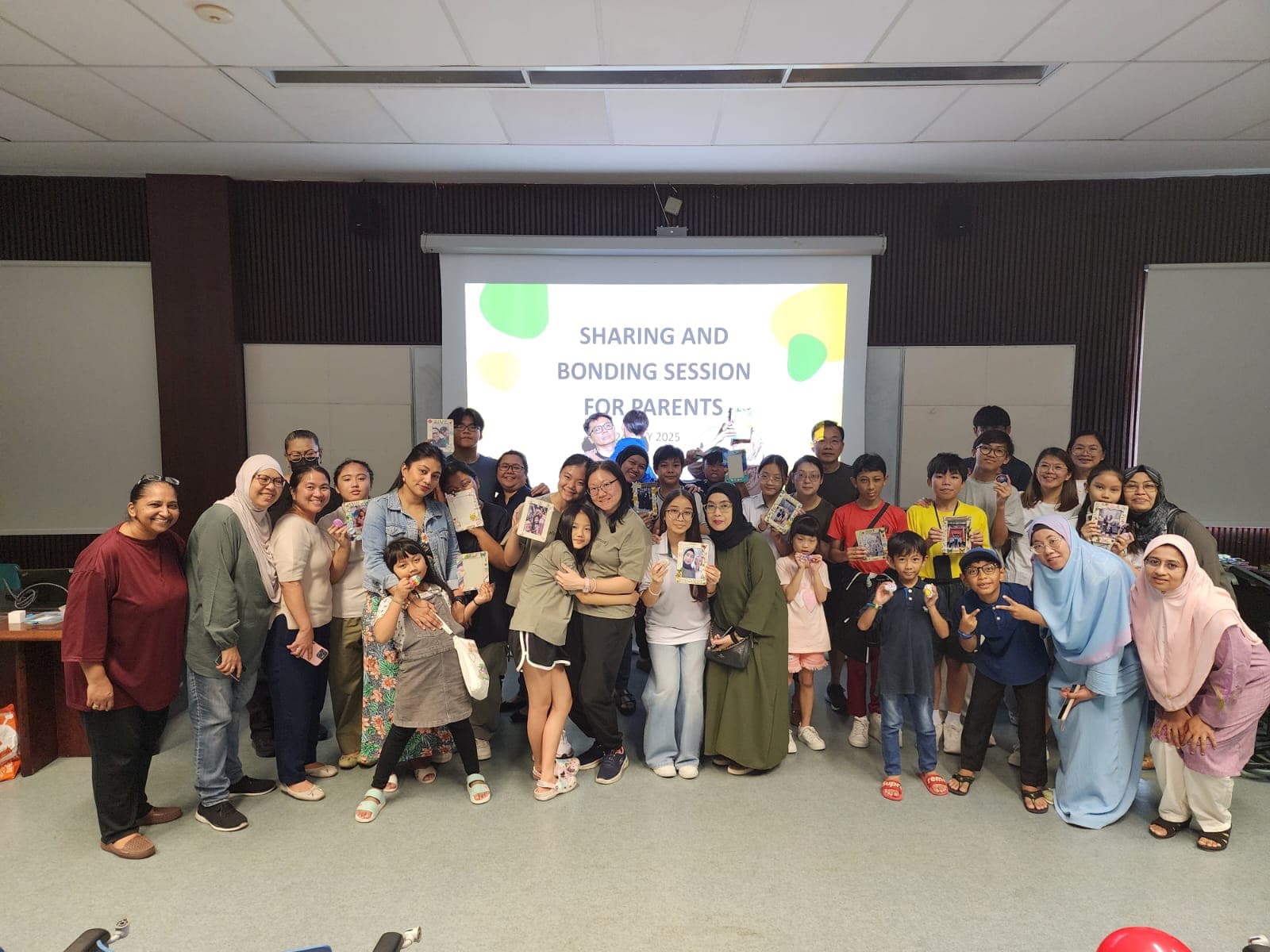
When Ms Poonam Pal’s son, Rishi, started Secondary 1 at Springfield Secondary School, he was the first student from Pathlight School (Primary) that the school had welcomed. He was also one of a few students with special educational needs (SEN) in his class.
Naturally, Ms Poonam felt anxious.
“As a parent of a child on the spectrum, we’re a bit more worried that they won’t feel accepted by other kids, because we’ve seen that happen at the playground,” she says.
Today, those fears have proven to be unfounded. Rishi has graduated from secondary school, progressing through school much like his peers and making friends along the way. He has also performed in a play and even read a book aloud in front of the entire school. When he finished his recital, the crowd had erupted in cheers.
Given Rishi’s speech delays, these milestones would’ve seemed unimaginable four years ago, if not for the school’s belief in him.
“As a parent, I’m very protective of him and it’s hard to step back. But I’m thankful that the school had more faith in Rishi than I did,” Ms Poonam adds.
Parents helping parents
Today, Ms Poonam proudly shares Rishi’s journey with fellow parents of students with SEN during the school’s Coffee Talk sessions. Facilitated by members of the Parent Support Group (PSG) and supported by the school’s SEN officers, these sessions provide a safe space for parents to come together in an informal setting and share their reflections.
Coffee Talks began when former principal Mrs Mabel Leong recognised that while much support was available for students, caregivers were often overlooked. She approached then-chairperson of the PSG, Ms Siti Aishah Bte Abdullah, to help make it happen.
“Peer support is one of the best tools, because parents tend to open up more when they are among parents with similar problems,” Ms Aishah says. It is especially helpful for parents who have just discovered that their child has SEN, as their diagnosis is often followed by a period of reckoning.
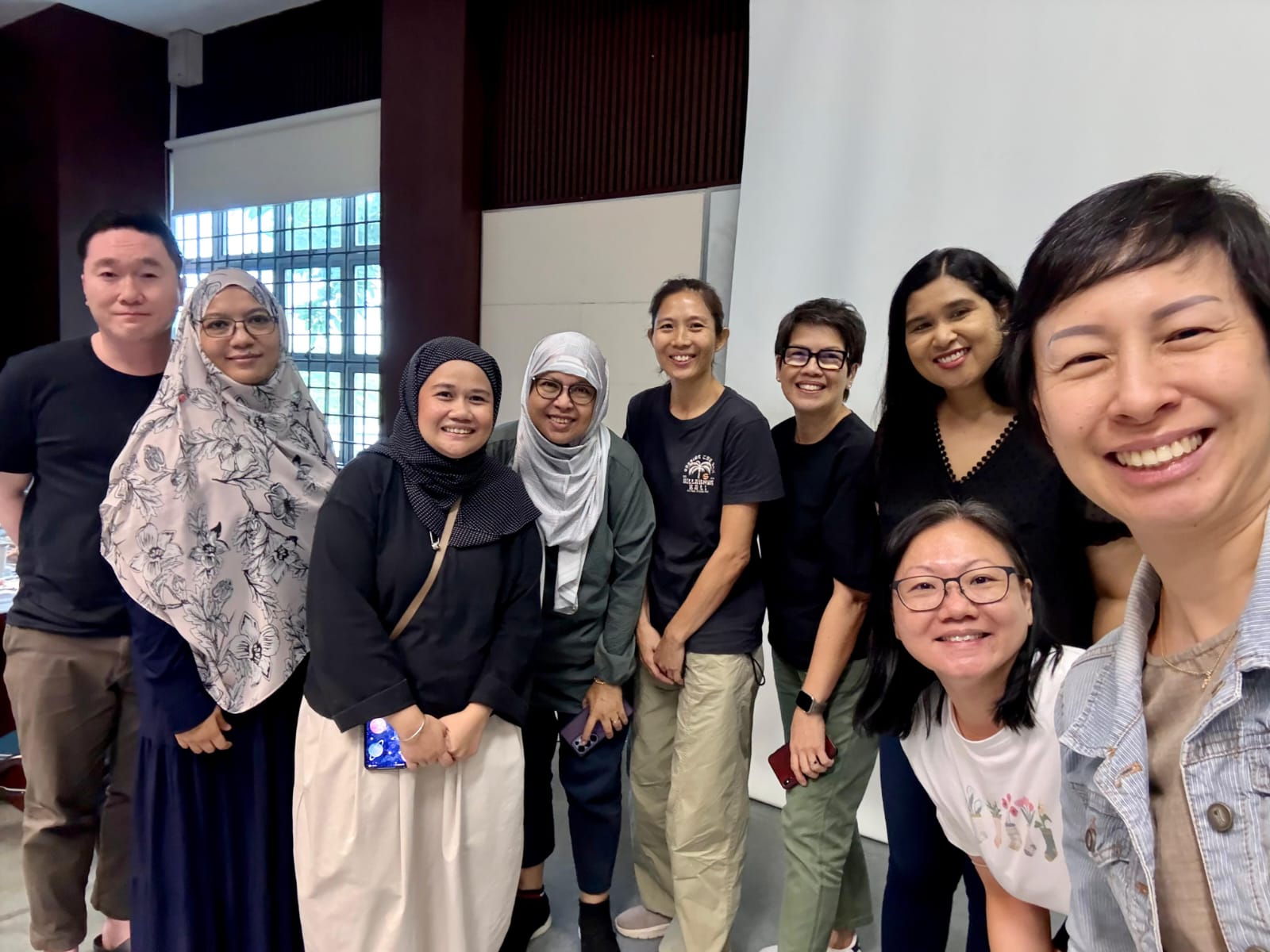
Parents and SEN officers connect with and support one another during the Coffee Talks sessions.
When Ms June Lim’s daughter was diagnosed with ADHD and ASD, another parent helped her make sense of her emotions by sharing about Kübler-Ross’s grief cycle.
“We have to grieve the news before we can accept it, and this cycle of grieving doesn’t just happen once,” says Ms Lim. “Even when parents have come to terms with it, there may be family members who do not agree with the diagnosis. There’s a lot of emotional turmoil that parents face.”
Ms Aishah recalls a Coffee Talks session where a father broke down when sharing that he felt unsupported by his spouse, who often gave in to their child’s demands. Other parents came forward with words of comfort, encouraging him to bring his wife along for the next session so they could extend the support to her as well.
“The open sharing of experiences makes me feel that although everyone is leading different lives, we share similar struggles,” said Ms Mashitah Binte Ibrahim, whose Secondary 4 son has a language disorder.
Mdm Rabiyah Bte Ismail, Head of Department (HOD) of Educational Support, observed that over time, these conversations also became a platform for exchanging practical tips among parents.
When one parent shared that screentime helps her daughter to “reset” during study breaks, for instance, it gave Ms Mashitah an idea. Instead of treating screen time purely as a distraction, she began using it as a form of motivation, encouraging her son to listen to music or watch a favourite show briefly before moving on to the next task. “That parent’s sharing made me realise that screentime, which seems negative, can be used in a positive way,” she says.
Making time to connect
In addition to Coffee Talks, Springfield Secondary School’s PSG organises self-care activities that parents can attend on Saturday mornings.
“This gives parents a bit of me-time away from their children, and is a good time for them to recharge,” says Ms Lim.
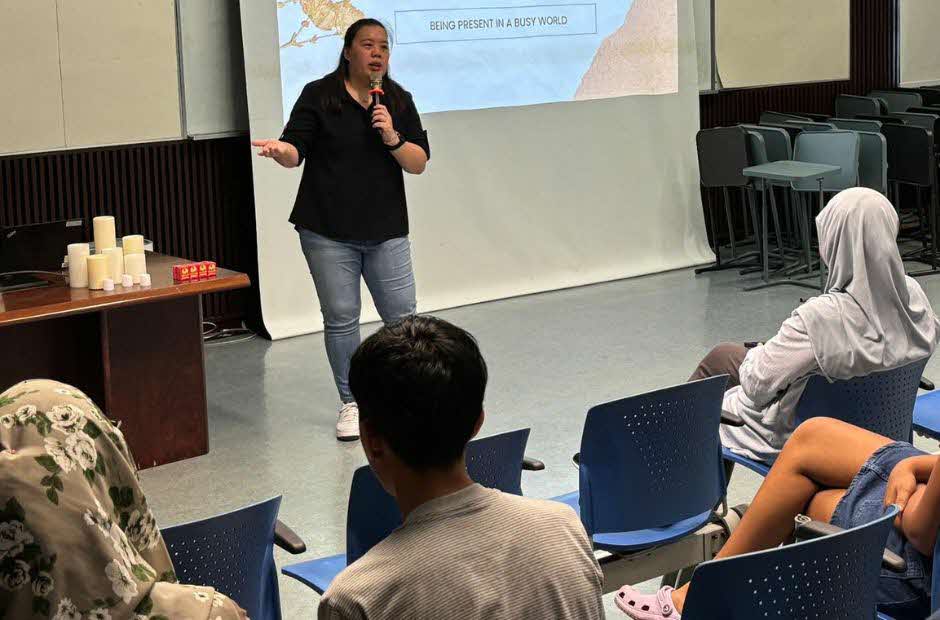
School Counsellors engage parents in a thoughtful session on the need to be present in a busy world.
Twice a year, the school also holds parent-child bonding sessions with activities such as games, arts and crafts, and culinary workshops.
For Ms Poonam, these sessions help ease the pressure many parents feel when engaging their children on weekends. She recalls having to carefully plan outings that would keep Rishi entertained when he was younger, without inconveniencing other children and parents who may not understand his needs. But when participating in activities organised by the school, parents can relax.
“Because there’s no one judging us, we can let our guards down. We don’t have to explain his behaviour to anyone, and we can just be ourselves,” she adds.
In recent years, the school has even opened these sessions to the siblings of students with SEN.
“Everyone in the family plays a part in supporting a child with SEN, and these activities help them become more understanding of their sibling’s needs and confident in helping them,” says Ms Mashitah.
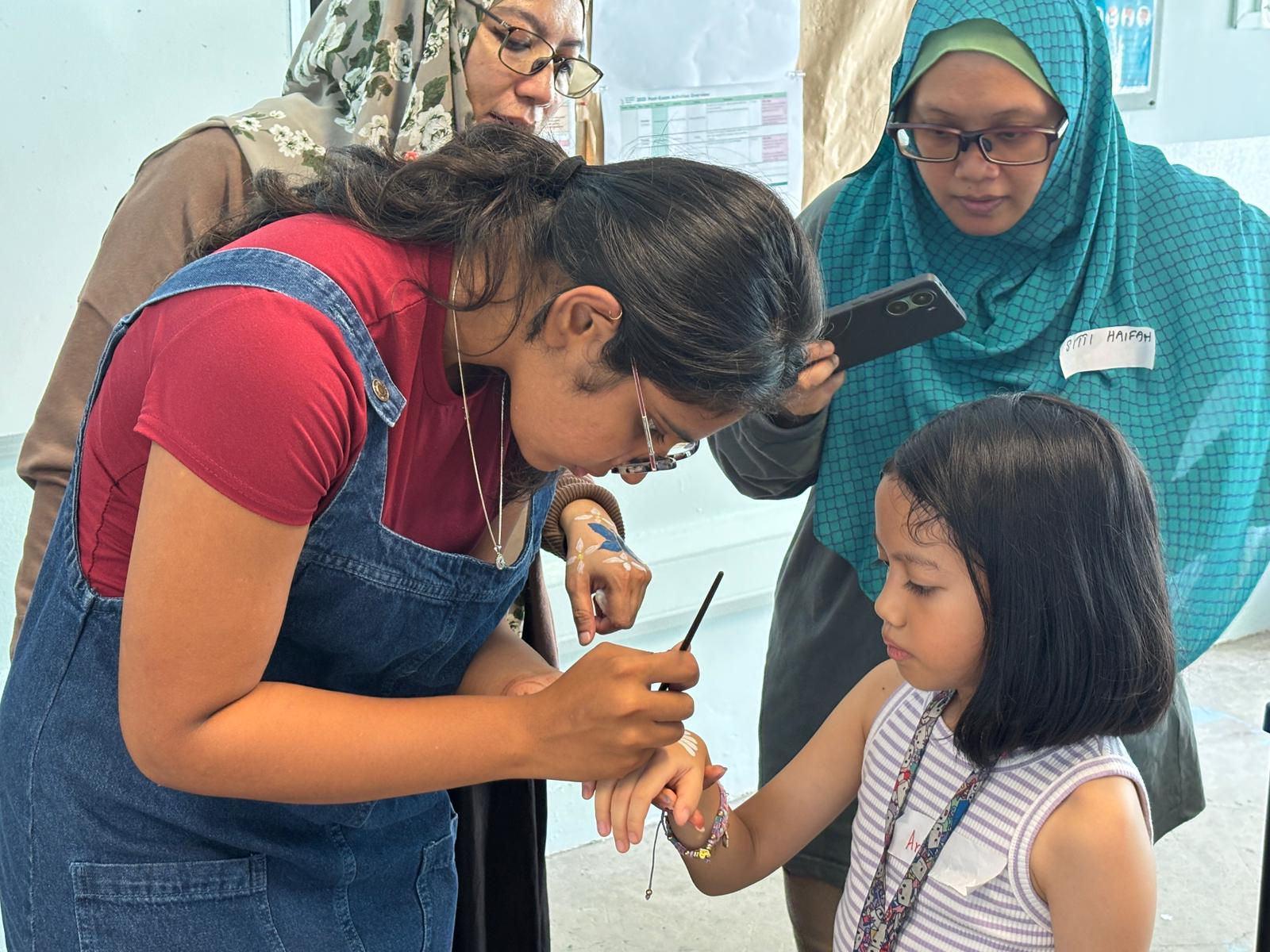
Hand in hand, heart to heart: Siblings join in the fun to make bonding a full family experience.
Learning from families
While these initiatives support parents and students with SEN, they help the school better understand other students too.
Through Coffee Talks, SEN officers gain a deeper understanding of students’ backgrounds and behaviours outside school. This insight helps them make more thoughtful adjustments in the classroom.
For instance, one parent shared that her child was reluctant to participate in class because of negative past experiences in which they made mistakes and felt embarrassed. With this context, SEN officers worked with teachers to adapt their approach, such as allowing more time for the student to think or providing alternative ways to respond.
“The informal setting of Coffee Talks encouraged richer sharing, enabling the school to tailor interventions more sensitively and effectively,” says Mdm Rabiyah.
Parent-child bonding sessions, have also revealed strengths that may be less visible in academic settings. In one instance, a student with ASD demonstrated strong organisational skills when managing an activity station with her mother. She was later given leadership opportunities in class, strengthening her confidence and peer relationships.
For parents like Ms Lim, such opportunities make a meaningful difference. Her daughter was appointed class chairperson in Secondary 2 and is now being groomed as a leader in her CCA. “The school really looks beyond a child’s special needs and even their grades,” she says. “That kind of support matters a lot to us parents, because it helps the students grow so much better.”
Photos courtesy of: Springfield Secondary School


.jpg&w=3840&q=75)