



The art classroom is more than a place for students to create paintings, make sculptures, or learn art techniques and skills. It is a space for meaning-making, through creative expression that draws from students’ lived experiences.
Recently, an art teacher and I were planning a Primary 4 unit where students would explore family relationships by manipulating paper in different ways to create abstract sculptures.
That experience got me wondering if we were oversimplifying the learning experiences by asking students to only present the positives rather than exploring the complex nature of relationships through their abstract sculpture.
It also raised another important question for me, that even if we want students to experience their authentic experiences, what would help them feel safe to share with us and with their peers?
So, a culture of care in the art classroom is essentially a learning environment where relationships between students and the art teacher, and among peers as well, are built on trust and mutual respect and empathy.
This kind of culture fosters belonging and safety, which naturally enhances student engagement during art lesson.
An art classroom with a culture of care is essential when students engage in art-making and art discussion that explores the complexity of the human experience. Themes such as identity and relationships and topics that revolve around contemporary issues are often complex and figuring this out through creative processes are often layered. They’re emotional, and they can get personal. So, we need to open the space for reflection, for meaning-making and authentic expression.
When students engage in experimentation of materials and ideas as part of the creative process, they’re essentially managing ambiguities. When we cultivate a culture of care where students feel safe to take risks, to make mistakes, and also to explore multiple possibilities, we create the conditions necessary for authentic learning, for artistic growth, as well as for personal growth.
Co-constructing meaning during art discussion and collaborating with peers for art-making requires students to voice their opinions and to contribute ideas freely. They need to feel safe, without fearing judgement.
So, how do we cultivate a culture of care in the art classroom, so students feel safe to take risks, to reflect, and to connect?
Firstly, let’s foster inclusive practices that recognise and validate diverse viewpoints. Actively encourage students to consider multiple perspectives by asking, what else? What might have been a different idea?
Secondly, how about creating intentional spaces where students can slow down for dialogue, for thinking, and for reflection? Hold back on giving our opinions and give time for students to figure things out by themselves or with their peers.
Another consideration is to put predictable routines and clear expectations in place to build trust and safety. And this takes time, so be patient and consistent.
As we design art learning experiences that foster 21st century competencies, let’s remember to embrace the messy, complex, and deeply personal aspects of learning that arts education can offer, which can only flourish within a culture of care. And this is when the art classroom becomes a special place for our students.
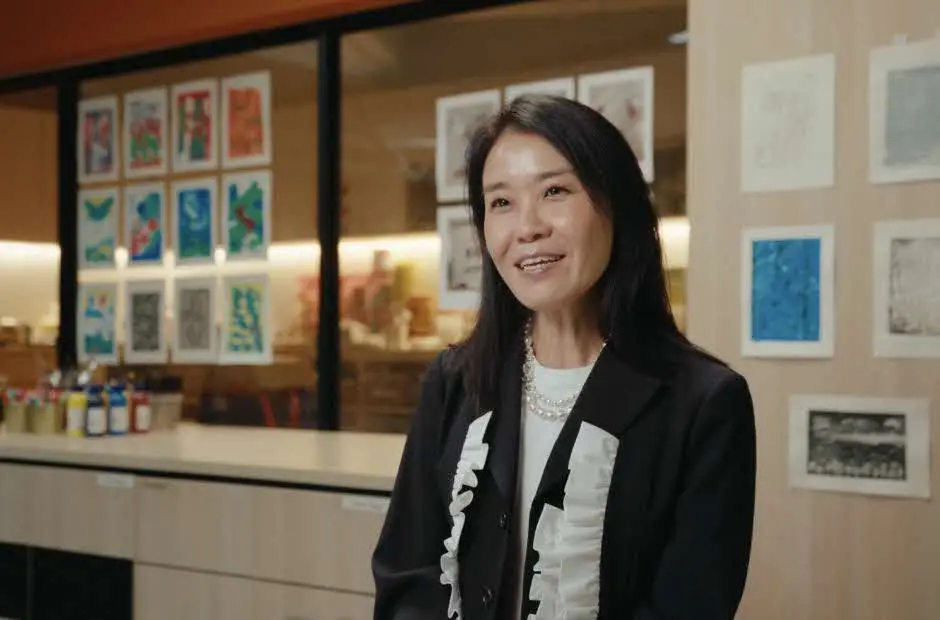
This article is adapted from Ms Seow’s video in the STAR (Singapore Teachers’ Academy for the aRts) Thought Leadership Video Series. Watch it here: