





In today’s digital age, children have many more ways to spend their time, but they also face more pressures that extend far beyond the classroom. From friendship woes to social media comparisons, young people are navigating complex emotional landscapes and sources of stress that require more parental support than before, not less.
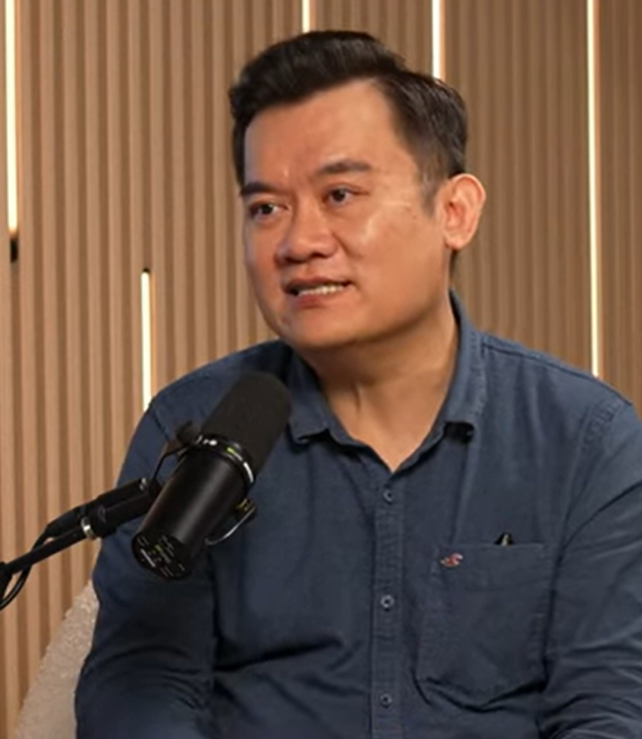
Dr Jared Ng, a father to three teens and a psychiatrist in private practice who previously worked with children in hospitals, explains that understanding stress begins with recognising its dual nature.
Is it eustress or distress?
“Stress is really any event or situation that puts a strain on somebody’s coping resources,” he says. When it comes in the form of “good” stress, it is called eustress, “for example, an exam, a sports competition, or even coming onto a podcast, right? It makes someone want to do better”.
However, when stress becomes chronic and overwhelming, it transforms from eustress to distress, says Dr Ng – the harmful type that “wears the person down” and leads to physical, emotional, and psychological problems.
What can parents do?
1. Watch for symptoms of distress and academic struggles.
Telltale signs include persistent headaches and abdominal discomfort with no medical cause, or difficulty falling asleep or frequent nightmares. There are also emotional indicators such as increased crying, irritability, and social withdrawal from activities, family gatherings, or friends.
Then there are kids who “are really trying very hard in class, but they just can’t seem to focus or concentrate”, Dr Ng observes. “And despite trying, they start to do worse and worse in school.” What may compound the stress is when this gives rise to even more scrutiny from their parents and educators, so a lighter touch may be needed when investigating the problem.
2. Limit social media exposure (till age 15).
Children may face stress from a myriad of sources, including peer pressure, identity crises, and cyberbullying. Social media presents unique challenges for young people’s mental health, says Dr Ng.
He recalls treating a teenager who felt lost when her social media account was suspended. She later revealed that she was not getting validation in her life and had resorted to buying likes and followers online. The comparison trap is particularly damaging. Before the days of social media, children were compared with their cousins, classmates, or “Xiao Ming at the playground downstairs”, says Dr Ng with a laugh. But kids today “compare themselves with people all across the world”.
For this reason, Dr Ng places curbs on social media use for his children and allows them to set up accounts only from 15 years old (the minimum age is 13 according to child privacy laws).
3. Parents, be followers.
Another condition Dr Ng imposes for his children’s social media use is that he and his wife must be one of the account followers and be able to see their posts (no privacy settings!). He also utilises the devices’ built-in parental controls, including screen time limits and content monitoring features.
Education about social media’s curated nature is crucial too. “I had to explain to my children about algorithms, that if they like something, similar content would just keep coming back. And they need to be able to break their algorithm or reset it.”
4. Speak in a way your child understands.
“Managing a six-year-old who just entered Primary 1 is quite different from managing a 14, 15-year-old,” Dr Ng notes. “We have to use age-appropriate language.” For the younger ones, it means parents should try not to speak to them like they were older children or young adults. It is also common for teenagers to start turning to people apart from their parents for advice. “Understand that the kid may go to other sources,” says Dr Ng. “You have to know who they are.”
5. Watch for that elusive chance to connect.
Meaningful conversations can emerge unexpectedly if parents spare the time to linger, says Dr Ng. One night after dinner, he was about to grab a snack and saw his 13-year-old daughter sitting in the kitchen. He asked casually how she was doing, and expected the usual “yeah, everything is okay”. Instead, she revealed she was having friendship troubles.
Since his daughter was already a tween, he resisted giving immediate advice. “I just listened … and we went through the different possibilities, why her friends would behave a certain way. We went through different scenarios of what she can do, the pros and cons.”
He admits that taking a backseat can be tough. “Even as a psychiatrist, I found that that was such a difficult thing to do, to hold back on giving advice.” The chat in their kitchen lasted an hour – time he was glad he was fully present for.
“We went through the different possibilities, why her friends would behave a certain way… different scenarios of what she can do, the pros and cons.”
Dr Jared Ng
6. Don’t bubble-wrap them from all failure.
True resilience is “the ability to bounce back” from failure, and develops when children learn to navigate challenges independently, says Dr Ng. “We need to have failures,” he emphasised.
He recounts a child whose family dressed him each morning to avoid being late for primary school. “Every day he arrives early in school, but the child is not learning very simple skills like buttoning shirts and tying shoelaces.”
Getting to the heart of the problem means asking why the child was going to bed late and not waking up on time to begin with, which can be attributed to a lack of discipline at home.
7. Hang on… are we the source of stress?
While parents may have good intentions, projecting unfulfilled ambitions onto their children creates unnecessary pressure. Dr Ng cites the case of a primary school child who had 13 tuition classes every week, which left little room for meaningful parent-child interaction or just to rest. His message for parents here is: “The child cannot be the unfulfilled you.”
Under pressure, children may also hesitate to open up because “they may think that if they tell us their problems, we may not love them as much. We may not see them as the good kid that they are”. Regardless of their age, they need assurance that we will love them no matter what they share with us, he adds.
Dr Ng concludes with an important reminder about how everyone responds to stress differently, “so we cannot be so quick to judge. More importantly, what is stressful to a child today may no longer be stressful tomorrow”.
Hence, it pays to genuinely understand your child as they grow, keep lines of communication open, and allow space for natural resilience to develop in them. Doing so can help to nurture their emotional wellbeing and build the skills they need to manage distress and thrive independently in future.

Dr Ng appears in Episode 2 of the vodcast series Canteen Chats with Lion Mums. Titled “Stress isn’t the enemy – so why do we fear it?”, the episode is moderated by Lina Ng, one of the actresses in the Lion Mums drama series. Watch the video here.
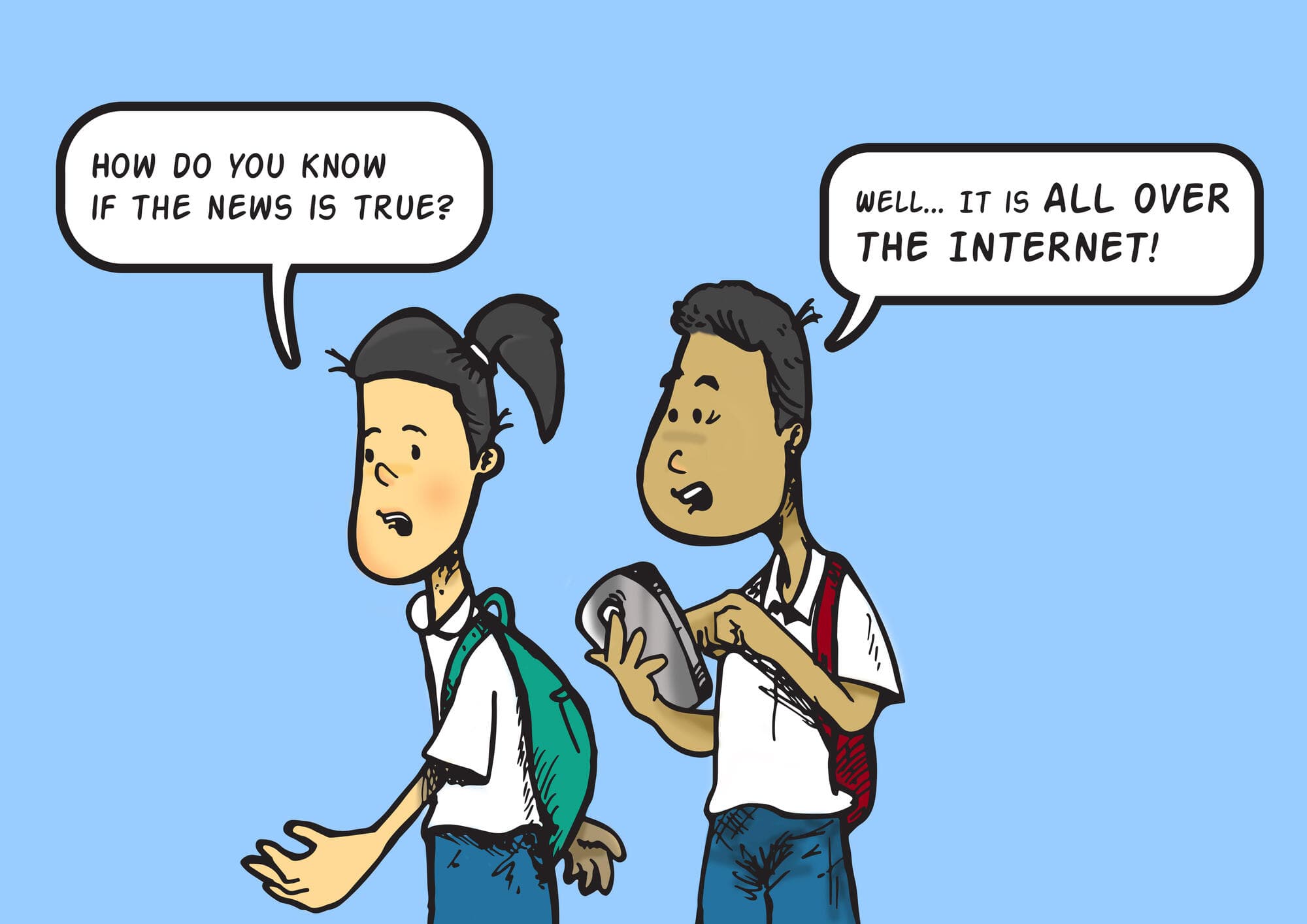
Screenshots obtained from Canteen Chats video; stock photo credit: Adobe

.jpg&w=3840&q=75)