



When Ms Marie Angelie noticed that her student, a little boy fascinated with dinosaurs, had spelled T-rex (short for Tyrannosaurus rex) as “T-rks”, she did not see a spelling mistake. What she saw instead, was a budding writer taking his first brave steps towards mastering language.
Recalling the preschooler’s beaming face after proudly labelling his drawing of the apex predator, Ms Marie, a lead lecturer at the National Institute of Early Childhood Development (NIEC), says, “He spelled it as ‘t-rks’ because that was how the word sounded to him. I didn’t correct his spelling immediately but celebrated his effort for labelling his dinosaur drawing.”
Later, she read a story about dinosaurs to the class, and the boy discovered the conventional spelling. “His growth came not from drill and practice, but from genuine interest and a safe space to experiment with spelling and writing,” Ms Marie elaborates.
The myth of writing and spelling perfectly in preschool
A common concern of parents of preschoolers is whether their child’s spelling and penmanship skills are “good enough” for Primary 1. However, Ms Marie stresses that imperfections in writing and spelling are not only normal in young children, but they are also a key part of literacy development.
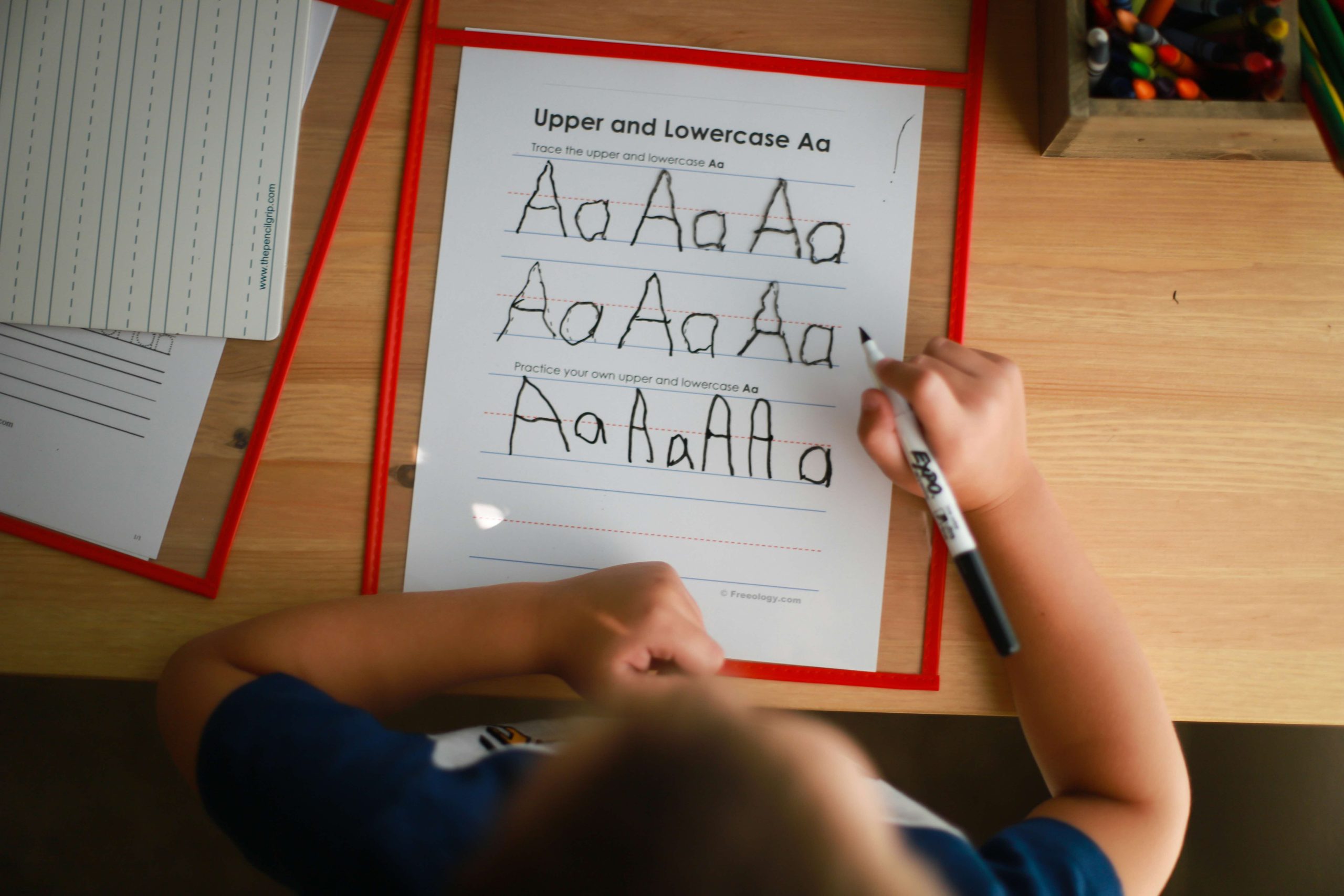
“One major misconception is that preschool children must master correct spelling and have perfectly neat handwriting that follow the lines printed on worksheets. Many parents equate these with Primary 1 readiness, so this often leads to children copying letters repeatedly, which destroys their love for writing,” Ms Marie explains.
Being overly zealous in correcting mistakes can also backfire, when it demotivates the child or fuels anxiety. “I’ve seen children who freeze every time they attempt writing or spelling words because they are told repeatedly that they are wrong. Over time, they lose their motivation and interest,” she adds.
At a preschool where she previously worked, Ms Marie observed a troubling trend where some children often reported feeling unwell or arrived late on Fridays – the day when spelling tests were held, requested by parents. “The stress they felt over the tests did more harm than good to their learning.”
What’s developmentally appropriate?
In Singapore, the preschool curriculum for children aged four to six is supported by the Nurturing Early Learners (NEL) Framework. One of its goals to build English Language literacy skills in this age group is using symbols, letter-like shapes, letters and words with invented and conventional spelling to communicate ideas and information.
According to Ms Marie, parents need to understand that young children go through several natural stages of development to build penmanship and spelling skills. The learning journey rarely resembles the neatly filled lines of handwriting that some parents expect.
For instance, at the nursery level (around age two to three), writing typically begins with scribbling and doodling as a form of self-expression. “They start noticing symbols, letters and signs in their environment, and may begin drawing these shapes.”
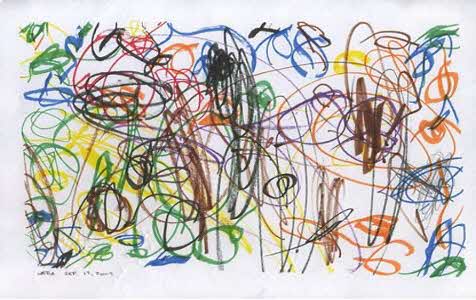
Around the ages of three and four, children may move into what early childhood educators call “invented spelling” – this is a developmental writing stage where young children use letter-sound relationships to create phonetic spelling of words.
“For example, if they want to spell ‘big’, they may simply write ‘b’ with a ‘g’ or ‘i’. They may also string words together without spacing. At this stage they are still learning the conventions of writing,” Ms Marie explains.
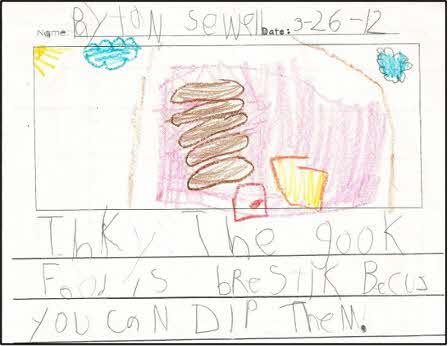
From ages five to six, children continue to hone these skills as they become more aware of writing conventions. Most of them begin to understand that words are made up of sounds and spaces separate words.
Some children may begin writing simple sentences, though their spelling is not perfect. Confusing letters like ‘b’ and ‘d’ or ‘p’ and ‘q’ are still common at this age, Ms Marie clarifies.
The goal here is not to get the preschooler to spell perfectly or stay on the lines when writing, but to develop confidence while building budding literacy skills. If your child tries to spell words by experimenting with sounds and letters, Ms Marie urges parents to see it as something positive.
“We should celebrate and encourage attempts at inventive spelling, because they are stepping stones to conventional spelling,” she says.
The trick to developing literacy skills: Let them play!
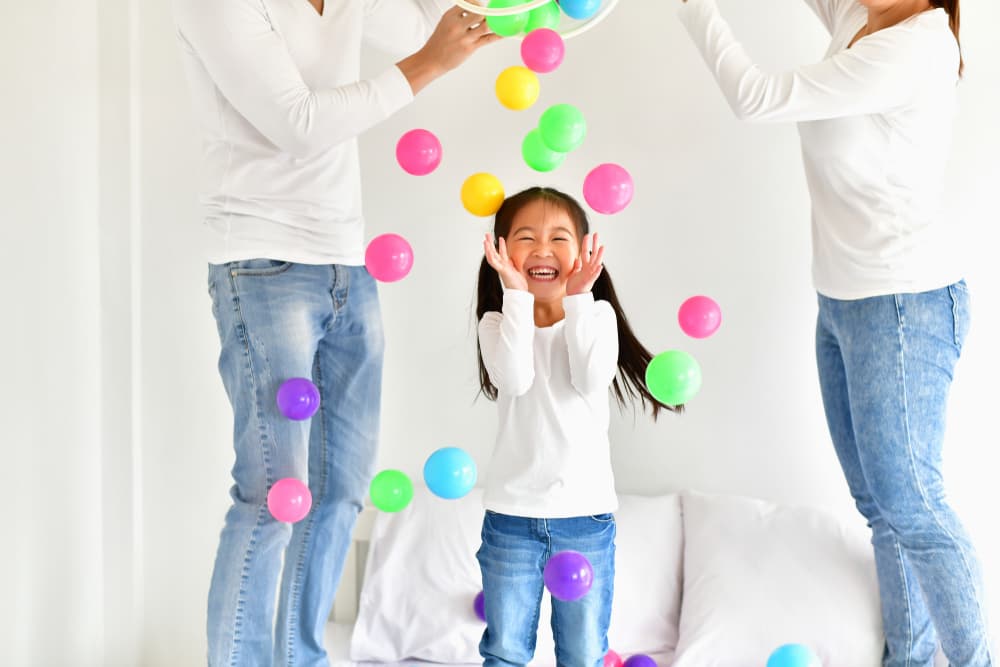
Rather than drilling worksheets or repetitive spelling lists, Ms Marie suggests using fun and meaningful activities to nurture writing and spelling skills. Learning does not have to be a chore; it can be easily woven into daily routines and playtime.
For example, many simple activities, like shredding paper and threading beads, help build fine motor skills required for writing. Even making shopping lists together can get children excited about spelling.
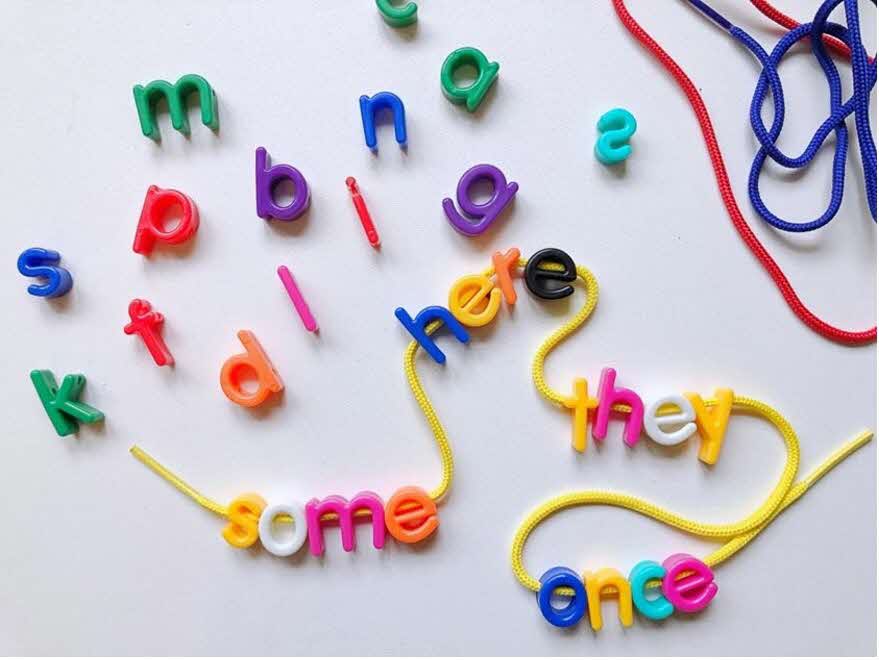
“What really helps is giving them meaningful opportunities to start through play,” says Ms Marie. “When children feel safe to explore writing or fine motor movements, they are far more motivated to write independently and enjoy what they are learning than when they are pressured with drills.”
By supporting holistic development, parents not only help children strengthen skills required for penmanship and spelling, but also build confidence, social interaction and resilience, she adds.
When to seek extra support
Every child develops at their own pace. “Know that falling behind in writing neatly or struggling to memorise spelling lists in preschool is not predictive of long-term literacy success. What matters most is fostering a child’s confidence and love for learning,” Ms Marie shares.
That said, there are times when a child might need additional support. Occasional letter reversals (like “b” and “d”) are normal in some children up to age six. But if that persists in primary school, especially with multiple letters, that could be a red flag, says Ms Marie.
Persistent difficulty with pencil grip, forming letters or limited awareness of sounds, despite regular exposure to reading and writing, may also be a warning sign, she adds.
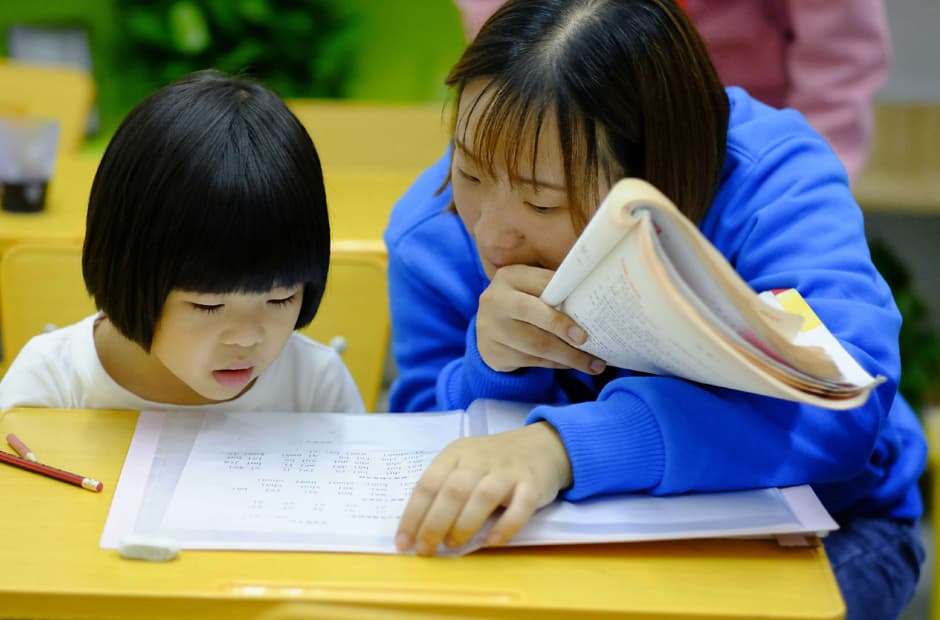
Parents who observe these signs and are concerned should work closely with their child’s teachers.
“Teachers can advise on the lessons covered in class and suggest developmentally appropriate activities that parents can reinforce at home. Where necessary, they may also recommend that parents seek assessment from a medical practitioner for their child,” Ms Marie advises. “Children also learn by modelling their parents. When they see their parents writing and reading in daily life, they learn that literacy can be enjoyable – not stressful.”
Photos courtesy of: Jerry Wang and Courtney Kirkland on Unsplash, and NIEC
Five ways to make spelling and writing fun for your preschooler
Ms Marie shares ways to boost preschoolers’ writing and spelling skills:
1. Get those little fingers moving
Activities like cutting with scissors, threading beads, washing rice, or even wiping tables build fine motor skills and hand-eye coordination required for penmanship development.
2. Make it multi-sensory
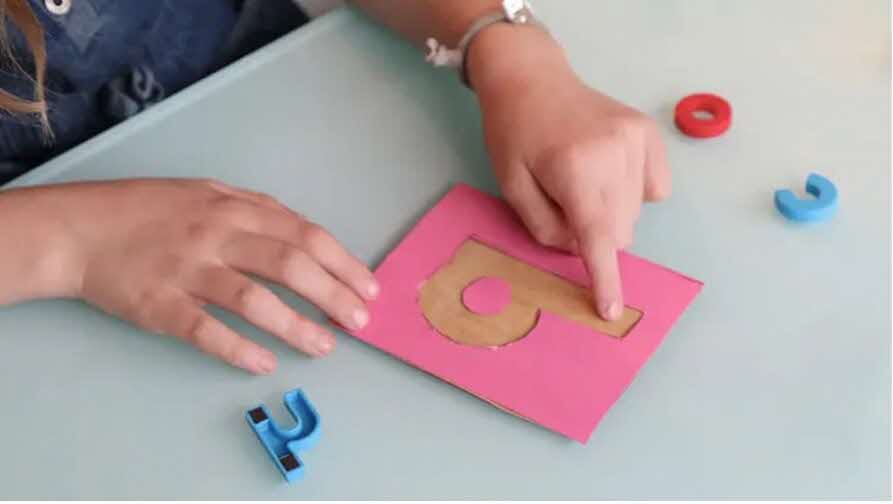
Let children explore writing by engaging their senses: finger painting, writing on different textured surfaces such as sandpaper or bubble wrap, shaping letters with clay, or experimenting with various tools like chalk, crayon and markers.
3. Try audio-to-text play
Record a simple and short voice message with your child, then transcribe it together. Young children are often fascinated to see how their spoken words can be turned into written text.
4. Take literacy outdoors
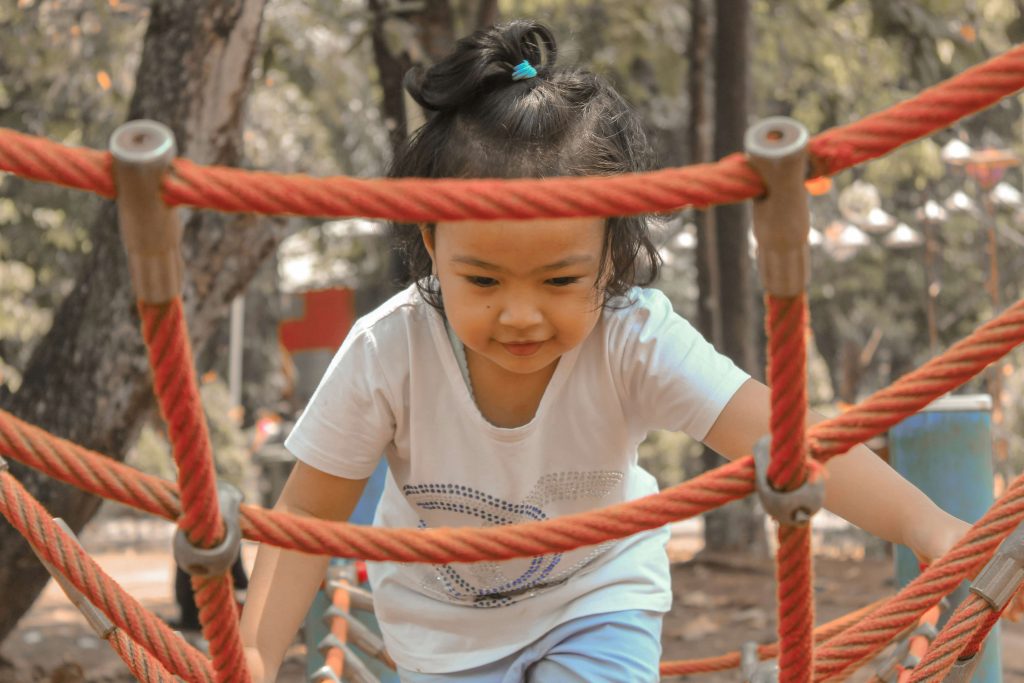
Climbing, hanging from bars, picking up and sorting sticks and leaves outdoors not only hone fine motor skills required for writing, but also helps young children learn to take calculated risks. This is an important mindset when trying out inventive spelling and expressing themselves in writing.
5. Make lists and labels together
Encourage your child’s phonetic spelling attempts by involving them in real-life tasks, such as making shopping lists, labelling jars in the kitchen, or making name tags for toys.
Photos courtesy of: Arfan Adytiya on Unsplash, and NIEC