




AI. LLMs. These acronyms are so commonplace one would have to be living under a rock to not know what they stand for: artificial intelligence and Large Language Models. They are also touted to be technologies we need to learn and use to thrive in future. So, it would make sense for parents to expose their kids to these tech tools as soon as possible, right?
Ms T, who prefers to stay anonymous, begs to differ. The mum of two boys aged five and seven wants to teach them the art of slow living – a mindset that focuses on doing things mindfully and with intention. And it includes life without AI and generative AI (GenAI) in their early years.
As an AI consultant and UX (user experience) designer, Ms T’s day-to-day job is to recognise and keep up with worldwide technological developments, such as how China’s Cyberspace Administration has recently released regulations around the use of AI. These directives are intended to protect their children and elderly as the government has recognised how quickly human-like AI technologies are being integrated into society.
“AI and technology are going to be everywhere around them as they grow up. Learning how to use AI is so easy, because the outputs are just there for them to consume,” she says. The hard part, she reckons, will be teaching children how to be more human. How to think critically, be creative and authentic, and understand the invisible processes that underlie the fast outputs that we have come to expect from technology.
Understanding how GenAI works
Before parents reflect on how growing up around GenAI chatbots and image generators will impact their children, they must first understand how it works.
In simple terms, a GenAI chatbot studies a large volume of content found on the internet and identifies patterns in the languages used. Which words commonly go together and what phrases are often used when discussing a certain topic? GenAI models study the probabilities and use these statistics to predict text.
Other than authoritative websites which publish factual information, GenAI also learns from forum threads, chat conversations, social media content – subjective discussions that may seek to increase engagement through algorithms favouring interactions and emotional content.
“Unlike a library where everything is academic and curated, using open web data to train AI models means that the machines will inadvertently learn views and opinions that are more subjective than what the silent majority, who don’t post anything, agrees with,” says Ms T. These biases can show up in the outputs users get in response to their prompts.
Similarly, image generators function in the same way. According to graphic design platform Canva’s explanation on AI-generated images, “To create AI-generated images, the machine learning model scans millions of images across the internet along with the text associated with them. The algorithms spot trends in the images and text and eventually begin to guess which image and text fit together. Once the model can predict what an image should look like from a given text, it creates entirely new images for you to choose from.”
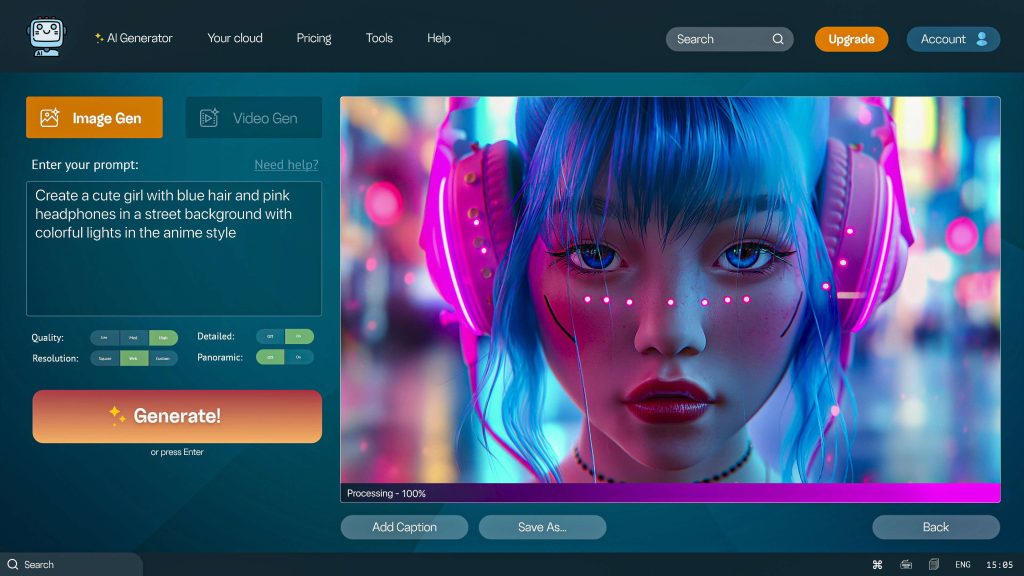
By harvesting a ton of data, AI models can give you what you want based on your prompts, with hardly any effort on your part.
The perks and pitfalls of AI
Using GenAI can be fun, engaging and convenient. To help with school work, some parents use AI tools to generate creative math problem sums for children to do. Image generators can help superimpose children’s photos beside their favourite movie characters for a cheap thrill.
Yet, beyond these use cases are certain scenarios that parents need to be aware of. For instance, if a child asks an image generator to produce an image of a “girl collecting a school prize on stage”, the image could potentially show a girl with features that may not be reflective of the child’s lived experience or ethnicity.
“These may shape a child’s mentality to think that what is generated is the ideal version of a smart, successful female student. In reality, successful girls come in all shapes, sizes and ethnicities,” adds Ms T.
Such interactions with GenAI may reinforce stereotypes and mislead young users into believing that AI-generated content is factually accurate.
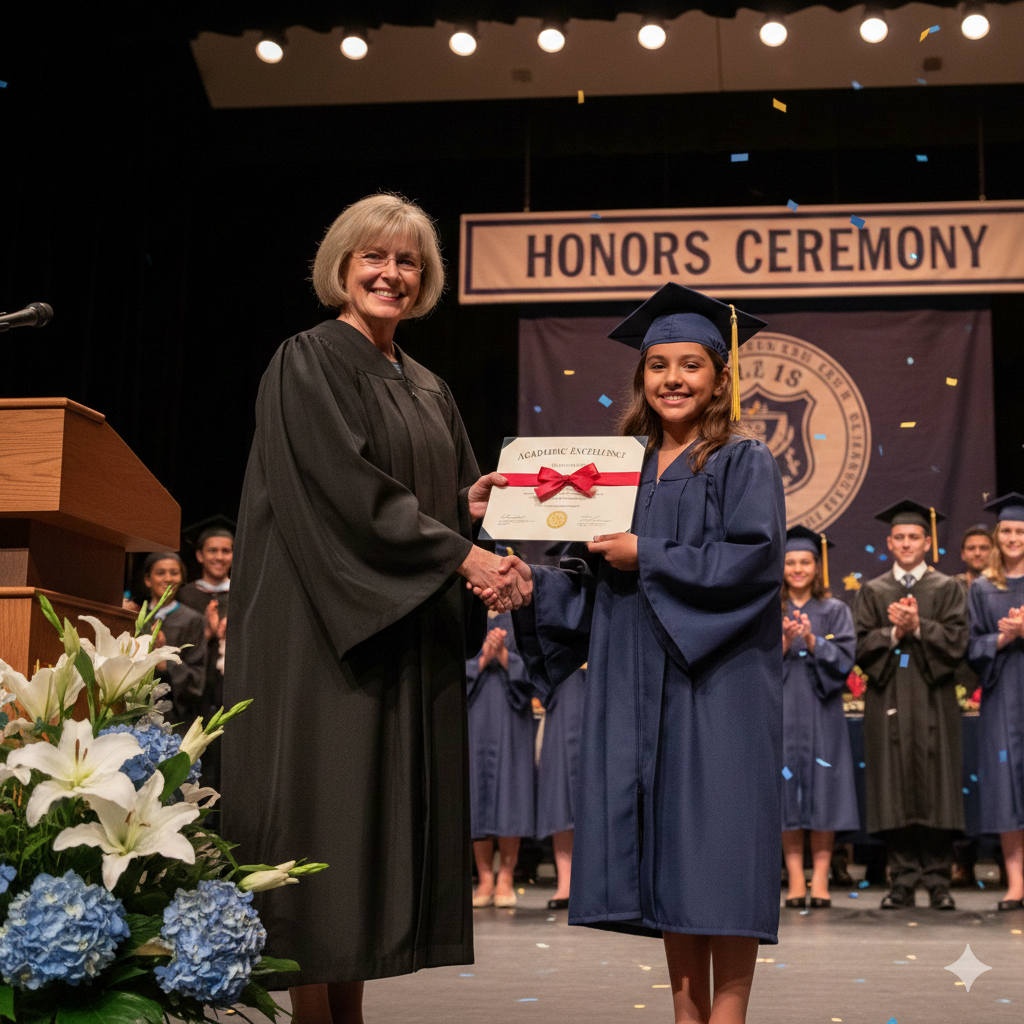
Gemini, an image generator, created this picture when asked to generate an image of a girl receiving a certificate on stage
Similarly, when we ask GenAI chatbots our burning questions, not all their answers are reliable. Some may be based on false information (“hallucinations”), and children and teens may not be able to tell the difference.
A greater concern highlighted by researchers is that children may treat AI chatbots as trusted companions and seek emotional support from them. They may ask questions they would never ask the adults around them and receive explicit and inappropriate answers.
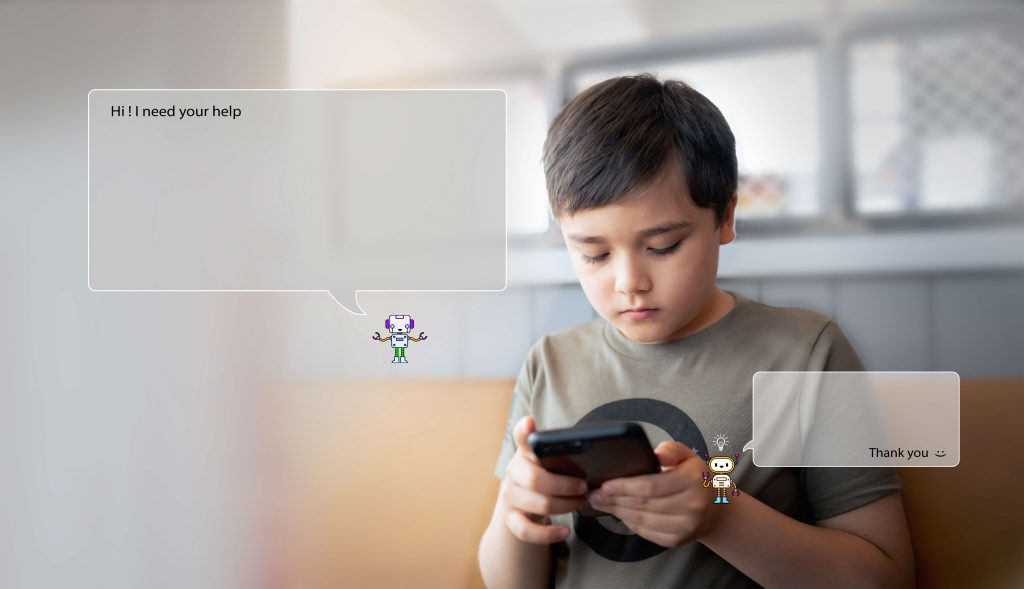
If left unsupervised to use AI chatbots, children and teens may at best, be misled by false information
While there are calls within the AI industry to make GenAI safer for children, Ms T doesn’t plan to take such risks with her kids. She is keeping them screen-free for now, preferring that they live a low-tech life.
The joy of missing out
From her industry experience, Ms T does not believe that her children need to be introduced to AI just to get ahead. Instead, she would rather expose them to as many different, low-tech experiences as possible. She cites how there is a trend among teenagers in Western countries opting for “dumbphones” because they recognise how anxiety-inducing it is to be constantly engaging with online content. Disconnecting from tech in this age is refreshing.
“My kids are kept busy playing with Lego, sports, making art, and spending time with me. Personal interaction is important because that’s how they learn how to socialise and express themselves,” shares Ms T. “I believe that’s more nurturing than simply consuming content. Being creative by drawing, building, and using their hands exercise different parts of their brain compared to the passive activity of watching videos.”
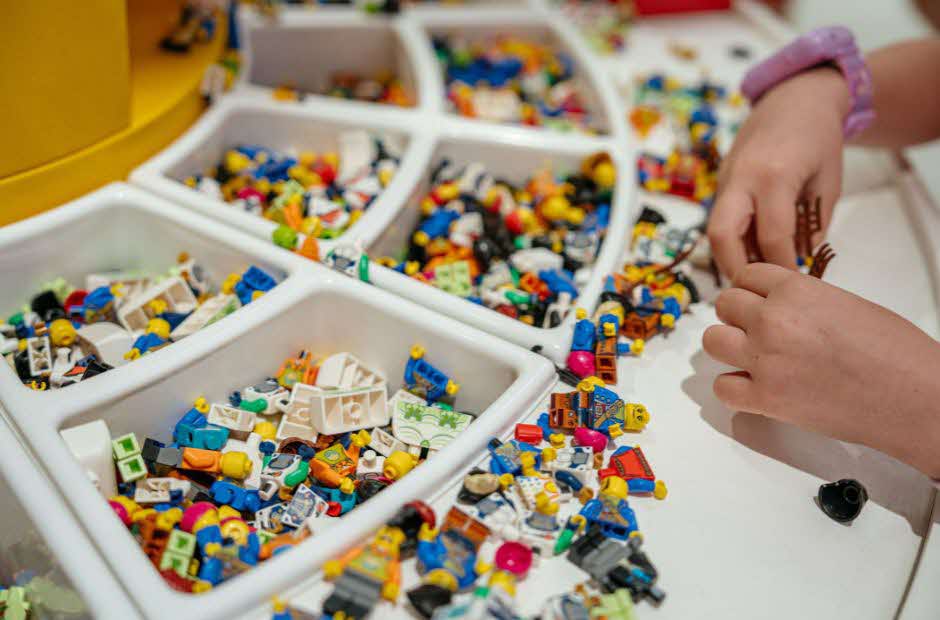
Until children are mature enough for AI tools, letting them play offline and be creative can prepare them better for an AI-powered world
Ms T also prioritises teaching her children about how things work, by having them go back to basics. From penmanship exercises for her younger boy to having her older son help lunch prep by rinsing rice and washing vegetables, she wants them to understand the manual steps that must be done before they get their desired outcome. It’s also an exercise to build their patience and resilience.
“There are no shortcuts. If children are taught to go straight to the output, how will they learn to be better than AI? To have an edge is to be more human than the average person coming into the workforce next time,” she reflects.
Photos courtesy of: Adobe Stock Images, Gemini
.jpg&w=3840&q=75)
.jpg&w=3840&q=75)