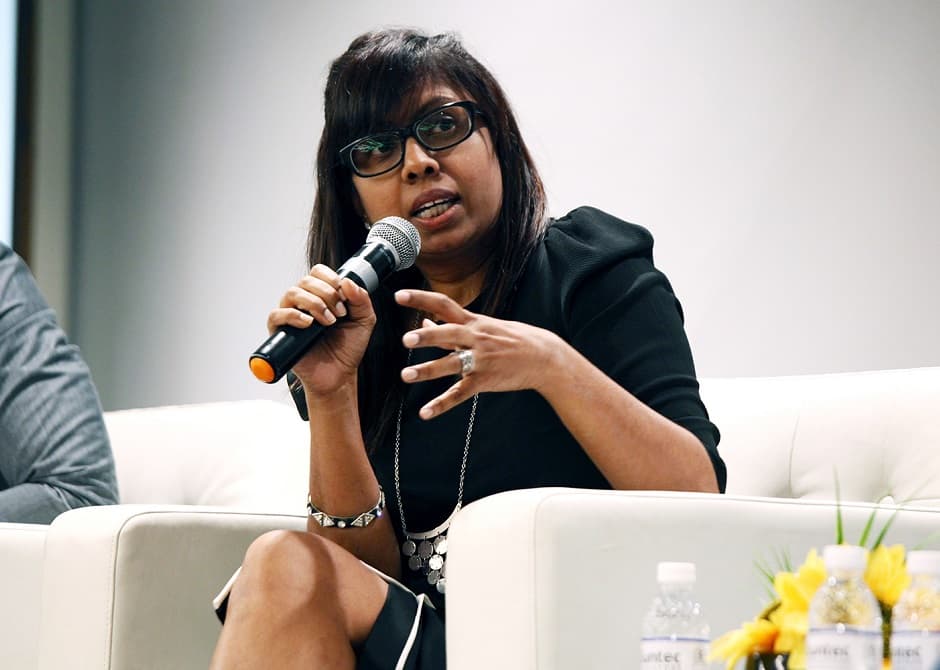




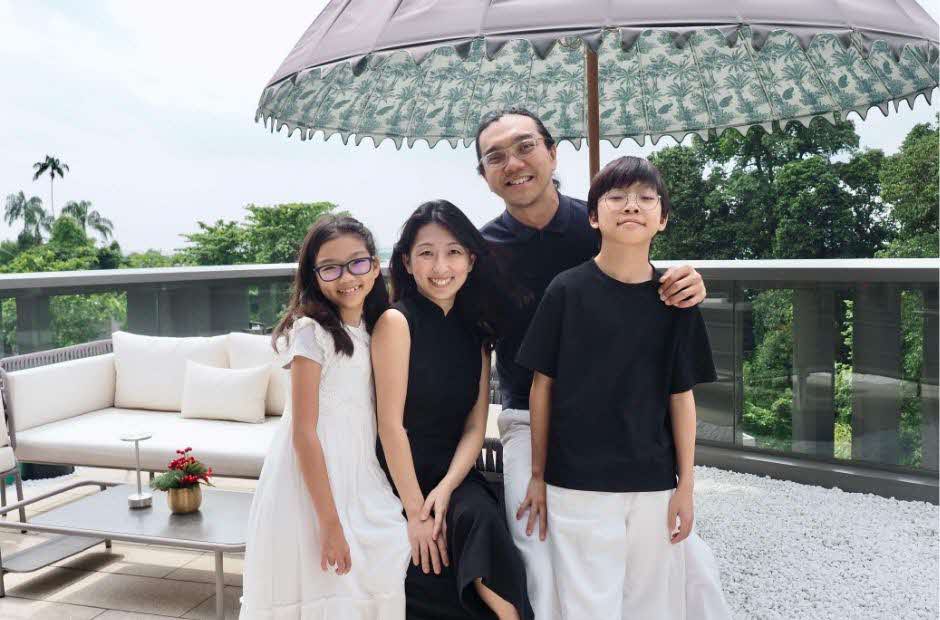
When Liang May and her husband Meyer Yang decided not to use his alumni connection to enrol their son in his former primary school, some friends said, "Siao ah."
The decision made practical sense — shorter travel time, and a co-ed school where their daughter Faye, two years younger, could follow.
But logistics weren't the real reason. May wanted her children to grow up meeting kids from different backgrounds — to gain a wider view of the world, just as she had.
Her own school friendships had crossed all kinds of divides — stay-at-home mums and working ones, English-speaking families and those who weren't. One of her fondest memories: helping out at a friend's family Hokkien mee stall, ladling chilli for customers. "My after–school routine and my friend's were quite different — something I noticed even as a child. I'm comfortable communicating with people from all walks of life. I wanted my kids to have that too."
Friends who grew up together
By Primary 5, Ewan had a tight group of seven or eight — boys and girls — who formed close friendships despite having different interests and CCAs, and are still in touch today despite being in different secondary schools.
Over six years, the high-energy kid became Vice-Captain of the Badminton team and represented the school at the National School Games. He was voted Best Camper in Primary 5. When he stumbled over his words emceeing the school's National Day celebration, he recovered with a joke that got the hall laughing — a moment May holds as a snapshot of the confident young man he has become.
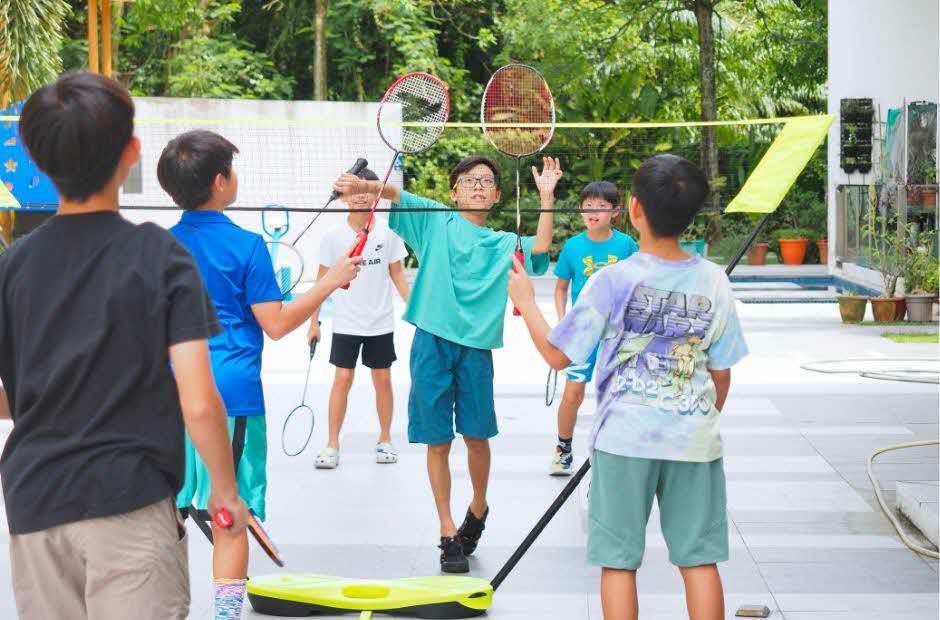
Ewan (centre) plays badminton with his friends.
Faye, now in Primary 6, joined two years after Ewan and found her own close circle. Her four best friends have been inseparable since Primary 1 — different classes since Primary 3, but still the same table at recess.
Through them, Faye quietly absorbed how differently families live: some friends were picked up daily, others walked or cycled home alone; some came back to a parent waiting, others let themselves in. Things she came to know simply by spending time together.
A school where the children felt known
These friendships mattered all the more because making friends hadn't always come easily to Faye. As a younger child, she was extremely quiet — Show and Tell could end in tears. Her form teacher found a workaround: instead of presenting to the whole class, Faye could choose a small group of friends.
Those friends became her cheerleaders. "Good job, Faye. You can do it," they'd say, even if she managed just one line. Today, Faye is "so talkative," says May. When another teacher spotted her interest in writing, she entered Faye in a competition and sent her encouraging notes along the way.
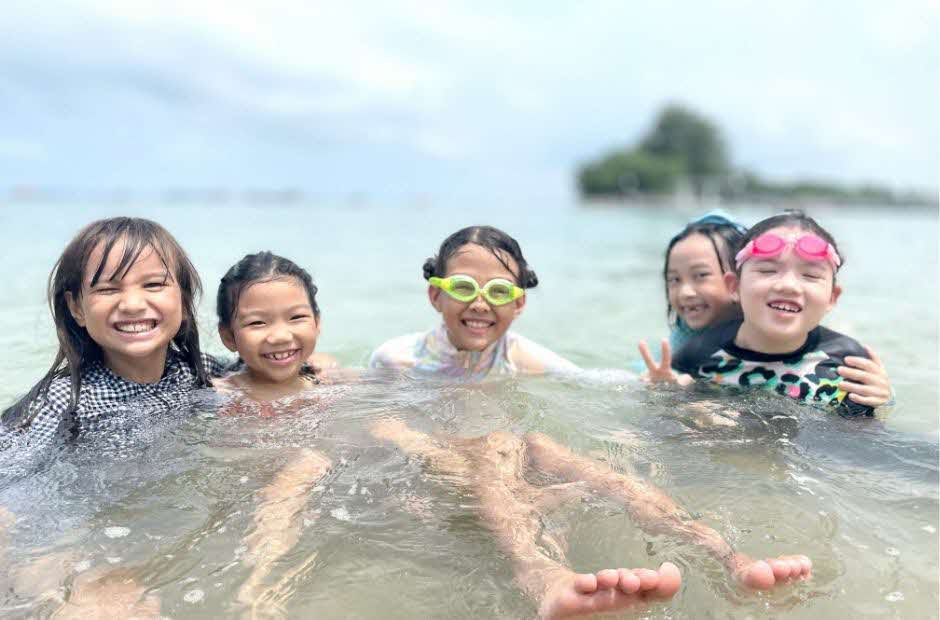
Faye (second from left) enjoys a day at the beach with her friends.
Ewan had his own experience of being seen. In Primary 5 and 6, his Form teacher started a class journal — private, between teacher and student — where pupils could write freely about whatever was on their minds. For Ewan, it became another way to share how he was doing.
The school also turned its care outward. Through Faye's Brownies CCA, pupils picked litter around the neighbourhood — May joined as a parent volunteer on some outings. Older residents would stop to thank the children, which only spurred them on. Small moments, but ones where school and neighbourhood life quietly merged.
"Along those six years, people noticed Ewan and Faye's strengths, their struggles, and the kind of support they needed to take their next step," says May. "That made me feel very good."
What makes a school right for a child
May had started this journey wanting her children to meet people beyond their own bubble — and to grow into kind, caring people. That wish has been fulfilled.
"The right school depends on the values you want your child to learn. It's different for different families." What stays with her aren't milestones but moments: Ewan walking to school with a friend; Faye talking about her friends' different lives; her kids greeting neighbours they'd met through school; teachers finding their own ways to help each child grow.
As for Ewan — he's doing well. He's on his secondary school's badminton team, serves as Class Chairperson and Junior Student Leader-in-Training, and has received the EAGLES Award for leadership, community service and good conduct. Regrets? None.
For more on May's choice of a neighbourhood school for Ewan, read our 2019 story here.
.jpg&w=3840&q=75)
.jpg&w=3840&q=75)