




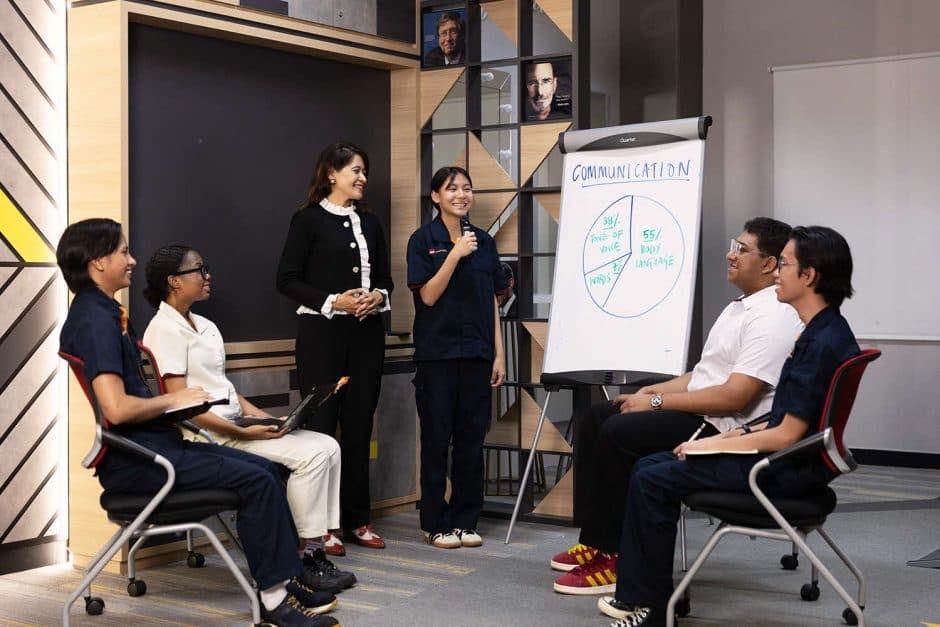
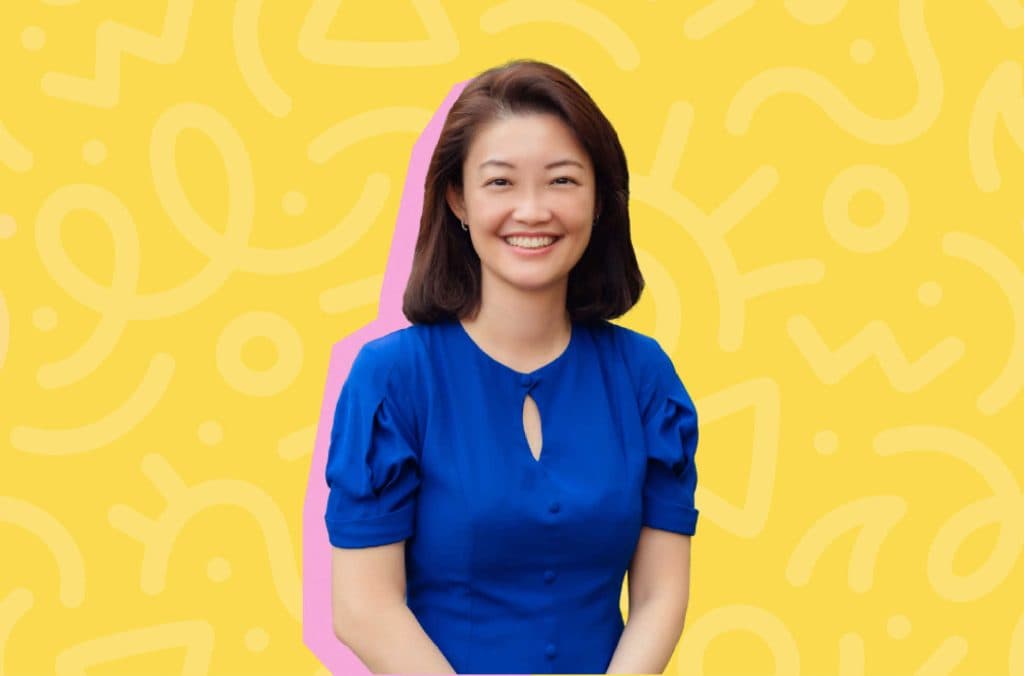
Ms Izriena Idris is a Lifeskills Lecturer at ITE College East, but to her nursing students, she speaks like a nurse, and to her engineering students, she speaks like an engineer.
This is a method Ms Izriena describes as “trade-speak”, where she adapts lifeskills to the specific language and context of each student’s future profession. It reflects her belief that teaching should connect with students’ training, be relevant to their professional identities, and make soft skills applicable to daily life and work.
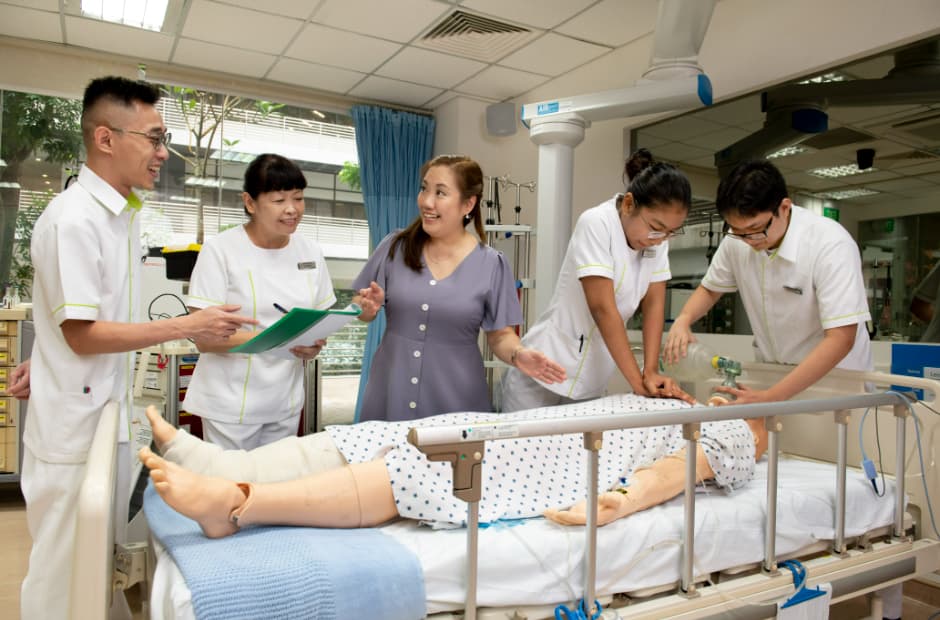
For instance, when teaching communication to nursing students, she emphasises phrases that convey emotional sensitivity and build empathy. These skills are necessary for nurses who regularly handle delicate conversations with patients and their families during vulnerable moments. With engineering students, she helps them emphasise clarity, structure, and logic in their statements – attributes essential for reporting faults or managing technical issues.
“Communication looks different in every job, and makes a difference in every job,” she explains.
Her own chameleon-like skills at communication and rapport-building are what landed her the lecturing career she enjoys.
Over 15 years ago, she was handling marketing and college relations at ITE when her manager spotted her ability to connect with students of all backgrounds. She eventually decided to become a lecturer, where her skills in business services and professional development could make a direct impact on students.
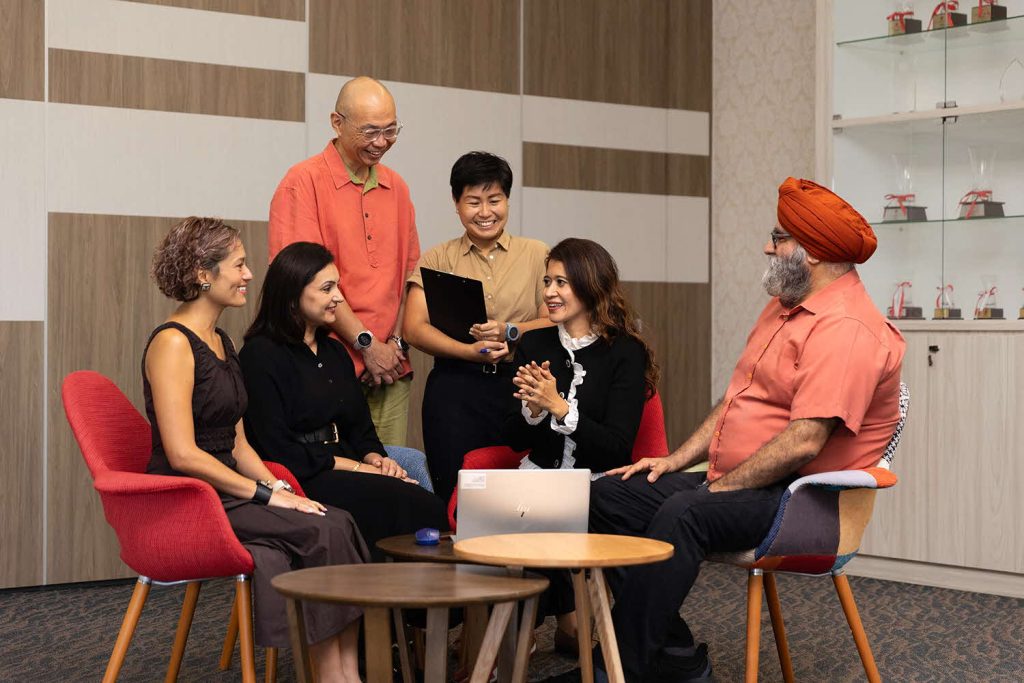
Reading the room and switching up the energy
Through Ms Izriena’s lessons on public speaking, resume writing, and financial literacy, her students learn to put their best professional foot forward.
However, these subjects might inadvertently come across as too abstract or not directly relevant to students, and this requires Ms Izriena to be creative and adaptive.
For example, when she was teaching mental health as part of her Personal & Professional Development modules, she observed her students becoming restless. She quickly adapted, putting aside her lesson plan to ask them about mental health struggles that they had come across.
Gradually, the students opened up and shared stories about their close friends, family members and even themselves. “Once they heard their classmates share personal experiences, it changed everything,” says Ms Izriena. “Suddenly, they were listening.”
And only then did she return to her lesson plan.
“As their lecturers, we have to be quick on our feet. If we feel that they (the students) are zoning out, we have to pull them back with strategies we know will work with that class,” she advises.
Students attest to Ms Izriena’s positivity and wide smiles wherever she goes. But that does not mean she shies away from difficult conversations. For instance, she addresses insensitive remarks head-on. “I tell them, one day you’ll be a parent. How would you feel if your child was rejected at a job interview because of a stereotype you once laughed at?” she recalls.
Her ability to call their attention to serious matters has earned her credibility. So has her silence. “When I’m angry, I don’t raise my voice. I go quiet. They know,” she says with a grin. “It’s about setting boundaries while maintaining connection.”
Supporting at-risk students
One of the challenges Ms Izriena wishes she didn’t have to deal with as an educator is absenteeism – when the student isn’t there for her to connect with.
She tries to get to the bottom of each student’s attendance issues. Some may be holding jobs and too tired for school. Others are unmotivated. She tailors her strategies to different groups of students, balancing individual needs with core educational principles.
On her part, she makes it her responsibility to help them see the purpose to their learning. Or at the very least, turn up because they enjoy her class.
New ways to engage students
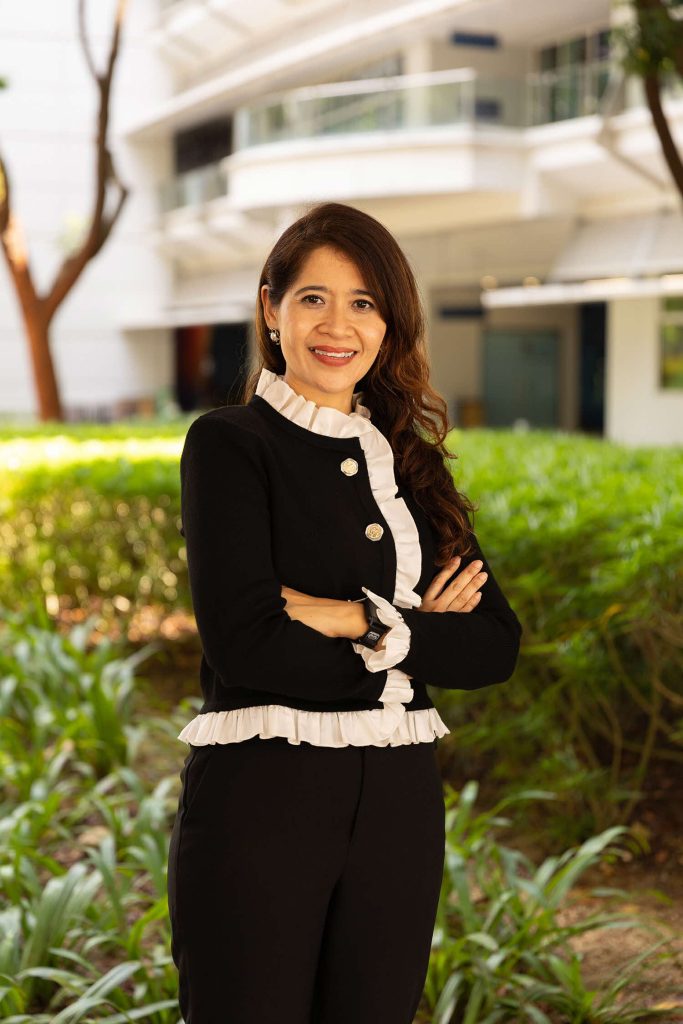
“As their lecturers, we have to be quick on our feet. If we feel they are zoning out, we have to pull them back with the strategies we know will work with that class.”
Ms Izriena
How about producing sales videos that will go viral? Or being a DJ for day? Or creating life hacks as an influencer-to-be?
To draw her students in, Ms Izriena also seizes new trends to capture their attention and help them learn in creative ways, designing training and competitions for the ITE College East population.
One example is her Vlogstar Challenge, launched during the Covid pandemic when hybrid learning took off. Students get to practise content creation, exercise creativity, articulate ideas and work as a team – all while exploring prevailing social issues and themes.
In its third season, the competition was rebranded as the Influencer Challenge to mirror students’ experiences on social media. Participants were tasked with producing one-minute videos to promote a product – and in support of her Singapore Story module that teaches national consciousness, she weaved in the requirement that the product must be local.
More than a spotlight on the school calendar, these challenges are a way for students to explore their identity and imagine the kind of person they want to become, she says. They experience learning as something relevant and rewarding – all of which matter beyond school.
“My aim,” she says, “is to help every student discover their talent – be it academic, creative, or practical – and walk away with something they’re proud of.”
.jpg&w=3840&q=75)