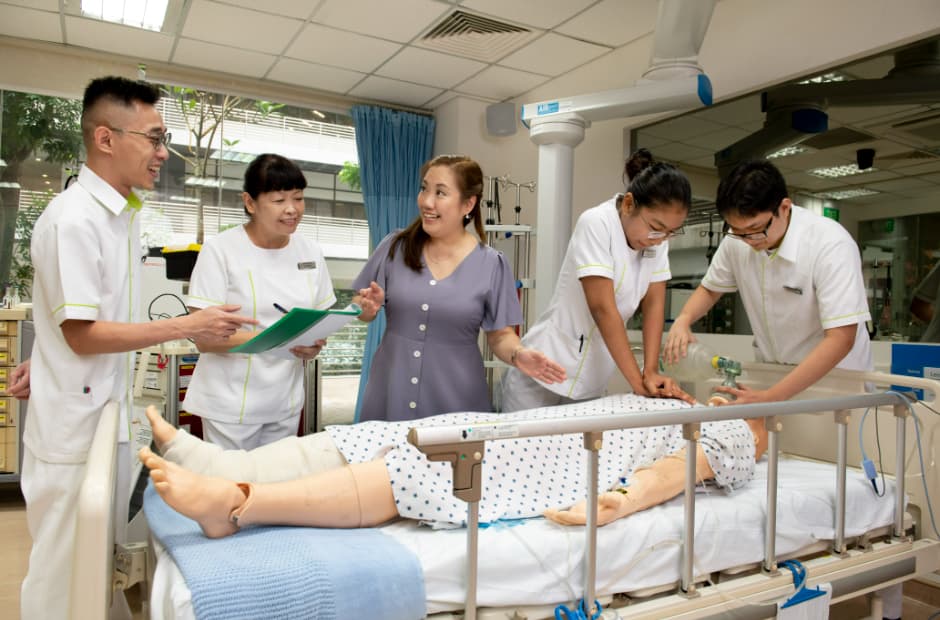




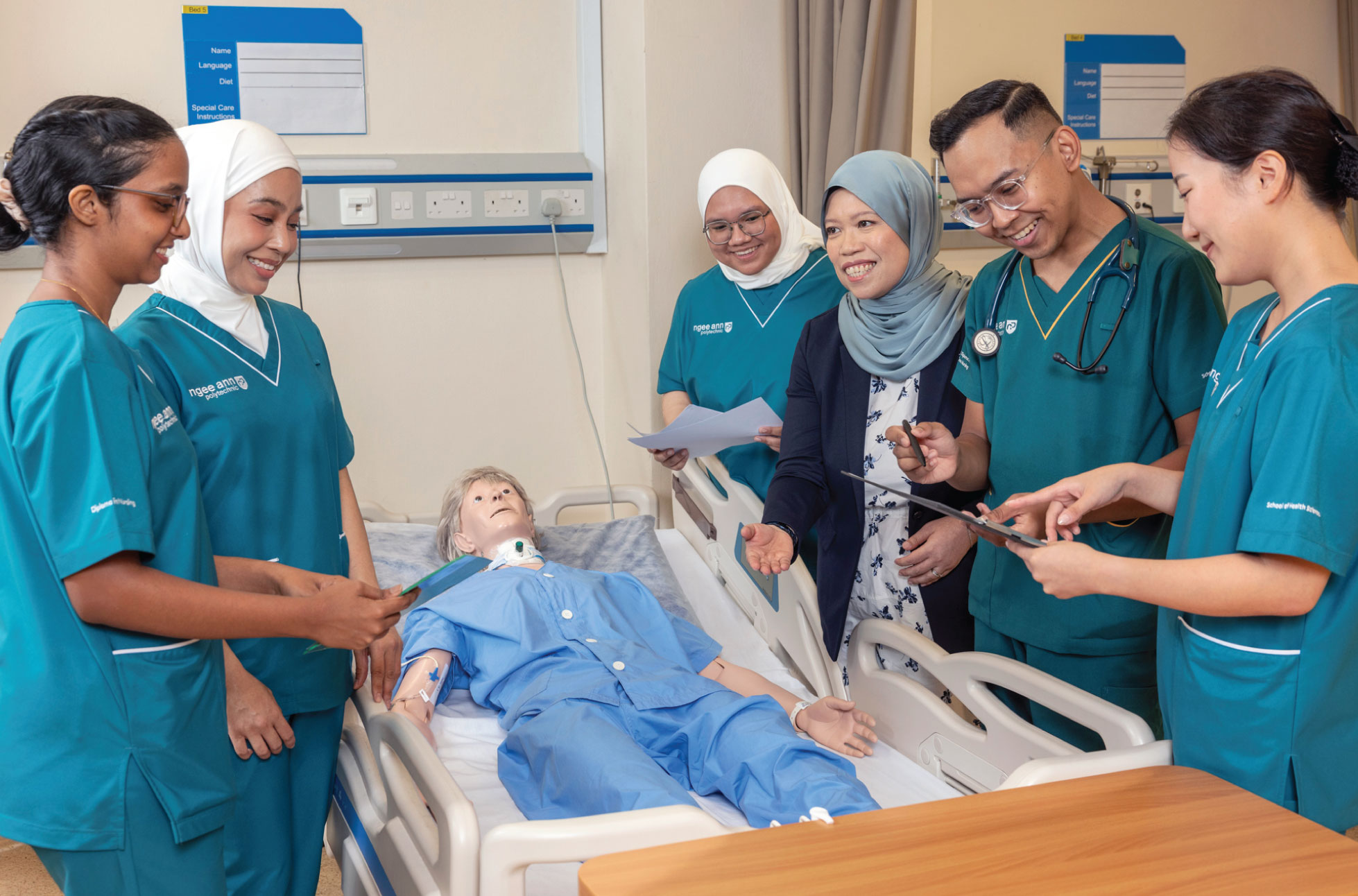
During a classroom simulation, a student nurse broke down in tears. She had been role-playing the final hours of a dying patient – and the exercise surfaced something she had been carrying quietly: grief over her grandmother's death, which she had not been present for.
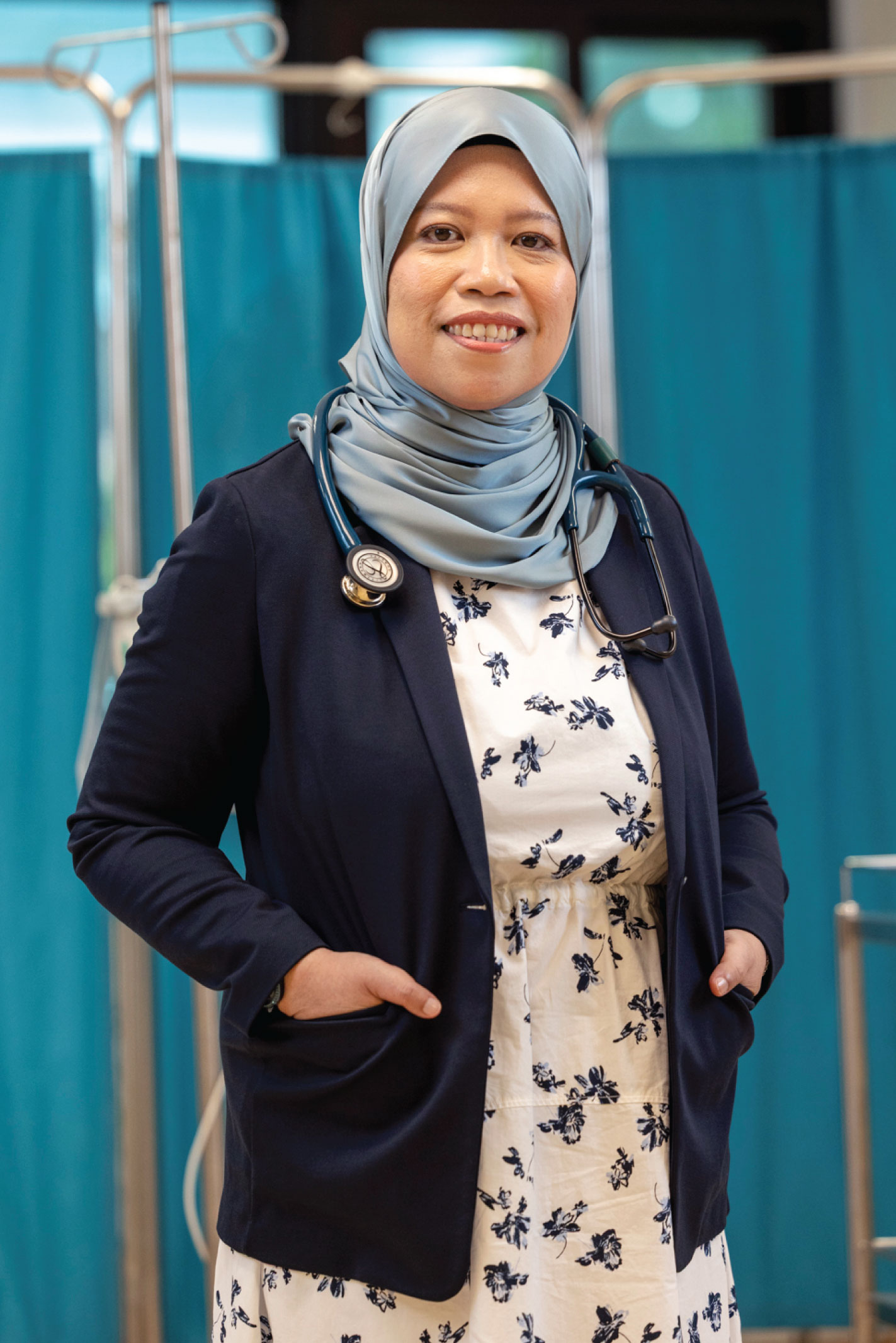
For Ms Mis'Rohaiza Binte Amin, it became a teaching moment of a different kind. The nursing lecturer paused the lesson, gently took the student aside, gave her space for her emotions, and listened. In the weeks that followed, she continued checking in on her, helping her make sense of what she was feeling.
Months later, when the same student returned to the simulation room, she was not the one needing support, but the one comforting a distressed classmate. For Ms Mis'Rohaiza, moments like these represent the heart of nursing education.
"To me, it is not about how fast or how well you can perform a procedure or serve medication," she says. "It is about being there with the patient, and showing that you care."
A lesson born from personal loss
Ms Mis'Rohaiza's commitment to compassion began long before she became a lecturer.
When she was seven, she became one of the caregivers to her mother who had collapsed from a stroke. She was inspired to become a nurse from there, but her mother passed away shortly after Ms Mis'Rohaiza graduated from nursing school, leaving her with regrets for not having done more.
Those experiences eventually drew her towards palliative care, where conversations about loss, dignity, and human connection are part of daily practice. It evoked “deep feelings” in her, feelings she was convinced needed to be dealt with not informally but as part of the profession.
When she moved into lecturing, "I told myself that I should teach my students what it truly means to be a nurse." Healthcare education has traditionally focused on two things: knowledge and technical competence. But Ms Mis'Rohaiza believes there is a third dimension that matters just as much – compassion.
Training beyond knowledge and skills
Today, the Senior Manager and Programme Lead at the School of Health Sciences, Ngee Ann Polytechnic (NP), is one of Singapore's leading nurse educators in palliative care.
She serves as Chairperson of the Palliative Care Nurses Chapter of the Singapore Nurses Association, and represents the polytechnic in national initiatives such as Compassionate Communities Singapore.
Compassion is the focus of her doctoral research and much of her teaching innovation. Over time, she has created experiences that require students to grapple with emotions, ethical dilemmas, and human vulnerability.
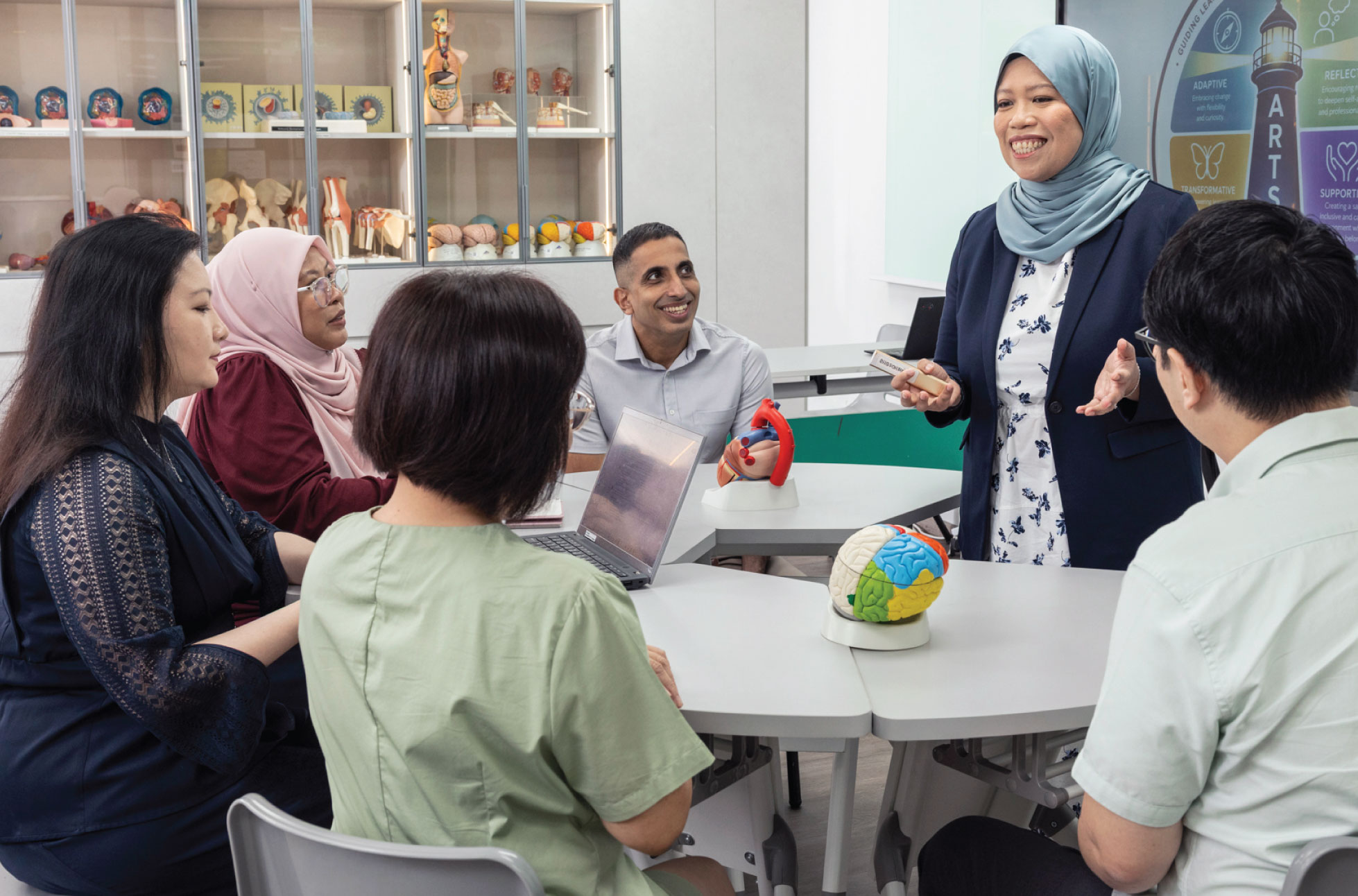
One example is First Act of Last Office (FALO), a three-hour applied drama intervention co-developed with collaborators from NTU and NIE. The workshop was born from a gap Ms Mis'Rohaiza had observed throughout her clinical career: that when a patient dies, the standard response is to clean up, complete the paperwork, and move on. "Nobody provides that closure to the nurses," she says.
FALO is designed to change that. Students navigate end-of-life scenarios alongside trained actors playing grieving family members or busy colleagues – the heart of the workshop is what happens after. "As nurses and future colleagues, it's important for us to bring everyone together to debrief and think about what just happened," she says. "If we don't take care of their feelings, then this may cause burn-out in the future."
She is also developing a scenario-based board game and assessment rubrics that evaluate empathy through communication, body language, tone of voice and reflective responses.
Nurturing compassion may take a leap
Palliative care does not need to be morbid – Ms Mis'Rohaiza makes sure of that. Fundraising and community work are just some activities that add a lively dimension to her students’ learning.
She organises Soulful Chats, small-group conversations that welcome all NP students from across the campus to normalise talking openly about death and dying. Inspired by the “Death Cafe” movement, the sessions offer a gentle and supportive space for students to explore a subject that touches everyone, but is seldom talked about.
Facilitators are advanced diploma students who are already practising nurses; these sessions prepare them to navigate difficult but necessary discussions in their careers ahead.
Ms Mis'Rohaiza also strikes up partnerships with organisations such as Crisis Relief Alliance Singapore and Singapore Hospice Council. Her students have conducted health screenings for migrant workers, and participated in community outreach and public awareness initiatives. Some have even appeared on the Council's "Live Well, Leave Well" podcast.
When Singapore Hospice Council launched its Leap for Hospices charity event, Ms Mis'Rohaiza took her students bungee jumping, joining in efforts that collectively raised $90,000 in support of hospice care.
Afterwards, her students said the leap brought out feelings deeper than physical fear – one called her mother right after the activity – it was the closest many of them had come to confronting mortality and understanding what their future patients would be facing.
Such experiences share a common purpose: to help students see healthcare not as tasks to check off but as a deeply human responsibility.
Meeting the national target for palliative nurses
Ms Mis'Rohaiza is among the educators positioned to help meet Singapore’s target of 10,000 palliative nurses by 2030.
She transformed NP's Specialist Diploma in Palliative Care Nursing into an Advanced Diploma with more clinical hours, aligned to the Ministry of Health's Palliative Care Nursing Framework, and it is already oversubscribed.
She also brought the internationally recognised End-of-Life Nursing Education Consortium (ELNEC) curriculum to NP – ensuring that every nursing graduate, regardless of their eventual specialty, leaves with a foundation in palliative care. She has since trained eight certified ELNEC trainers, who have cascaded the curriculum to 12 additional nursing lecturers.
Beyond NP, she has delivered seven palliative care webinars – on communication, the final hours, grief and caregiver support – reaching more than 5,000 participants worldwide. GPs and caregivers joined in; family members wrote in afterwards to say, ‘at least I know I am not alone’.
"As a nurse, I can touch lives," she says. "But being an educator is like a ripple effect. I teach students, and these students will go on to be my ambassadors."
Her goal is not merely to produce competent nurses. It is to nurture nurses who can sit beside a grieving family, recognise unspoken pain, and respond with dignity and compassion.
"I told myself that I should teach my students what it truly means to be a nurse."
Ms Mis'Rohaiza