



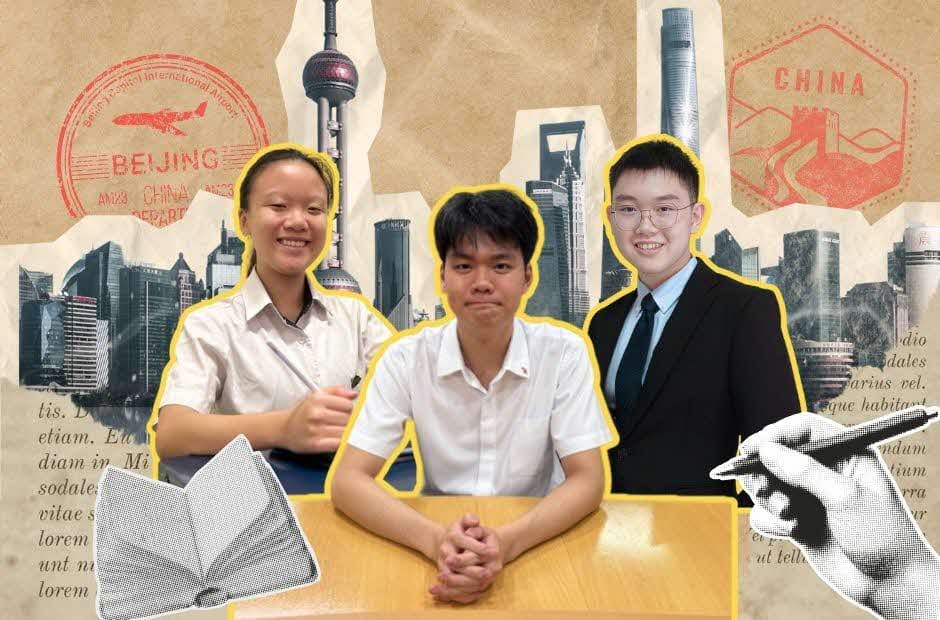
For students at selected junior colleges in Singapore, the subject China Studies in English (CSE) offers a unique gateway to explore one of the world’s most influential countries whilst developing critical thinking skills that extend beyond the classroom.
“The idea of learning about another country appealed to me,” explains JC2 student Acacia Tan Hui Wen from Anglo-Chinese Junior College (ACJC), on why she picked CSE as one of her A-Level subjects.
Her initial curiosity has blossomed into deeper contemplation about global issues. She draws “similarities between social issues faced in China and Singapore, but how they’re tackled in different ways”; to support their ageing population, for example, China tends to focus on financial assistance while Singapore emphasises community-building, she says.
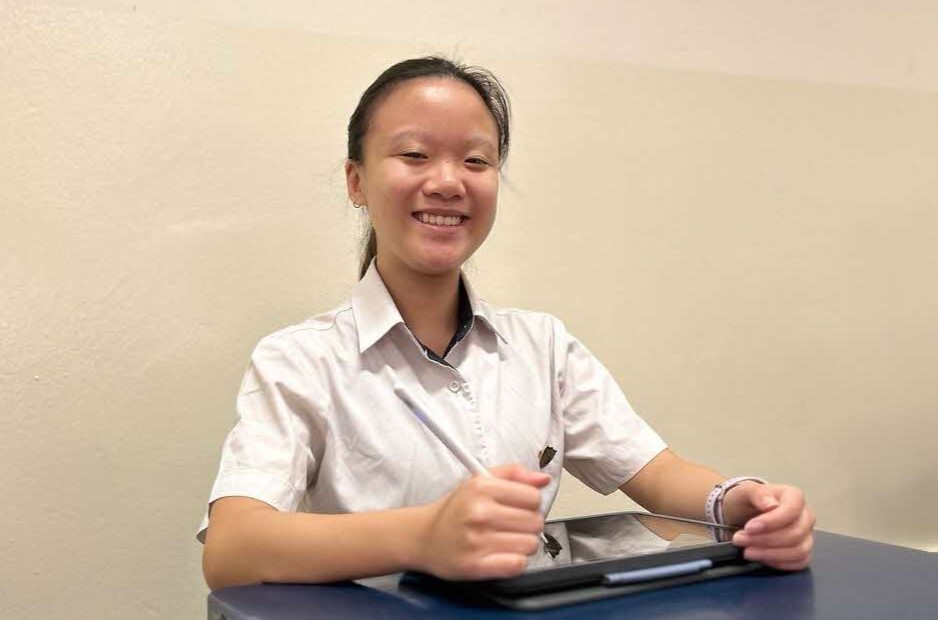
“CSE also reminded me of Social Studies in secondary school because both subjects involve critical thinking skills and comparison of different perspectives. It’s interesting to see the parallels between those two subjects.”
Cuts across various disciplines
In general, students of CSE find that the subject offers more than they expected. The curriculum is multi-disciplinary. Students explore a range of issues from economic policies and political stability, to social changes and foreign policy. Students could analyse China’s Belt and Road Initiative from multiple lenses by examining its economic and geopolitical implications.
Nicholas Wan, a JC2 student from Yishun Innova Junior College, is also drawn to how the subject makes connections across the humanities and social sciences. “It has allowed me to explore and get a taste of university subjects that interest me, such as History, Political Science, Sociology, Public Policy and Global Affairs,” he explains.
“Given that China wields significant global influence, understanding its political structure, economic development, societal construct and international relations gives me a strategic advantage in comprehending China,” he says. “CSE has allowed me to understand better how China has risen on the global stage, in areas such as climate change. It also helps me connect the dots between China’s growing economic influence and US’ responses, and how these manifest in economic competition.”
Understanding of Chinese society helped at UN event
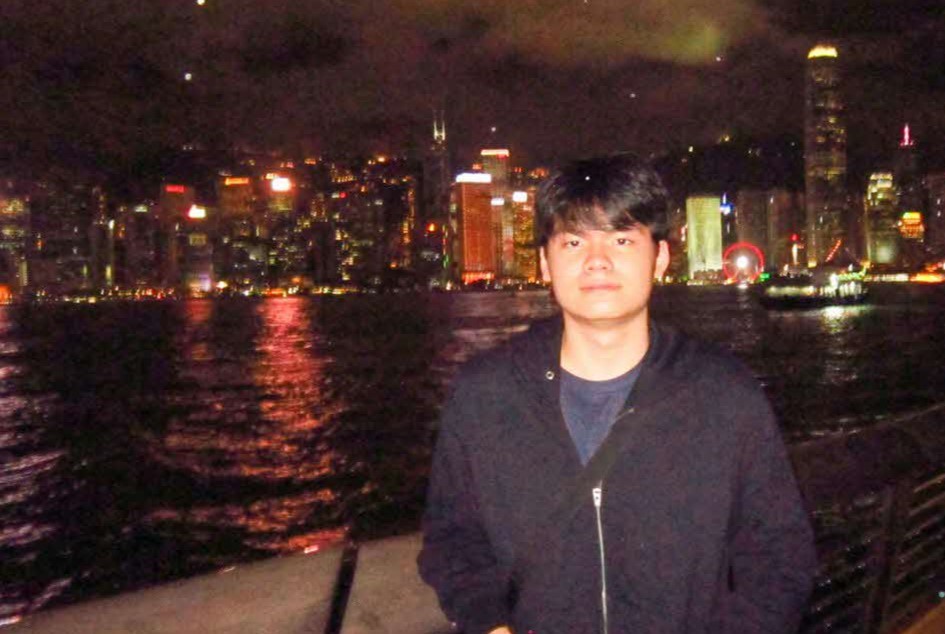
The benefits of taking CSE extend beyond academic interest, says Jaylen Chua Zhe Lei, an ACJC alumnus now serving National Service, who will read Public Policy and Global Affairs at Nanyang Technological University.
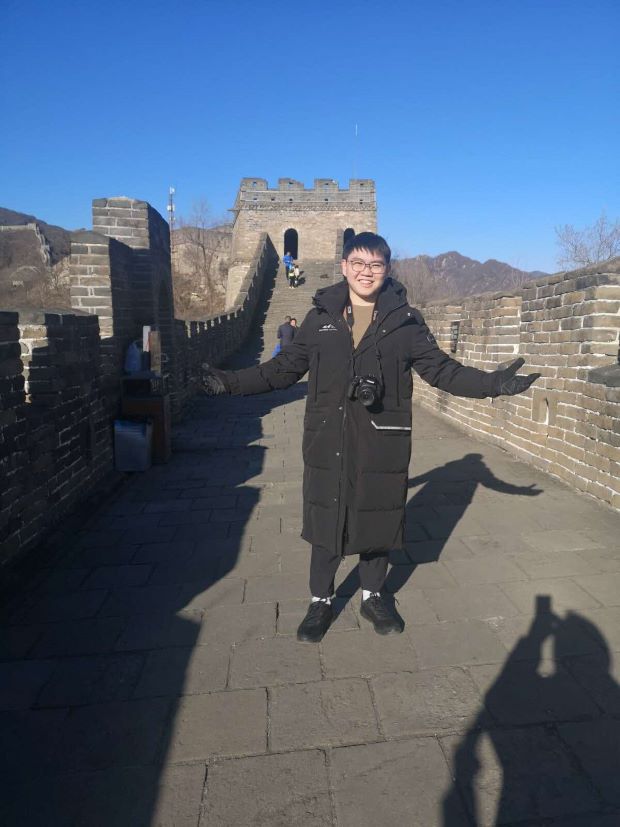
In March 2025, Jaylen was a youth delegate for Singapore at the 68th United Nations Commission on Narcotic Drugs in Vienna, where his understanding of modern Chinese society came in useful. He was working with China delegates to draft a joint statement to increase UN research and initiatives on drug prevention in Asia, and found that his knowledge of Chinese health and crime policies, gained from his CSE lessons, helped them to work better “in proposing specific clauses that made sense for both our societies”.
Learning through collaboration, communication and more
The teaching approach for CSE emphasises active learning through collaborative projects and spirited discussions. Students research government reforms, analyse policy responses, and engage with diverse perspectives on contemporary issues in China. These activities make learning engaging whilst allowing them to develop practical collaborative and information literacy skills.
Here’s where another surprise about the subject emerges: its accessibility. “You do not need any prior knowledge about China before taking the subject,” Nicholas notes. “Just be prepared to be blown away by the depth of knowledge and issues you’ll uncover through active reading.”
He appreciates how they consume material from a wide range of sources and develop skills to critically assess various viewpoints.
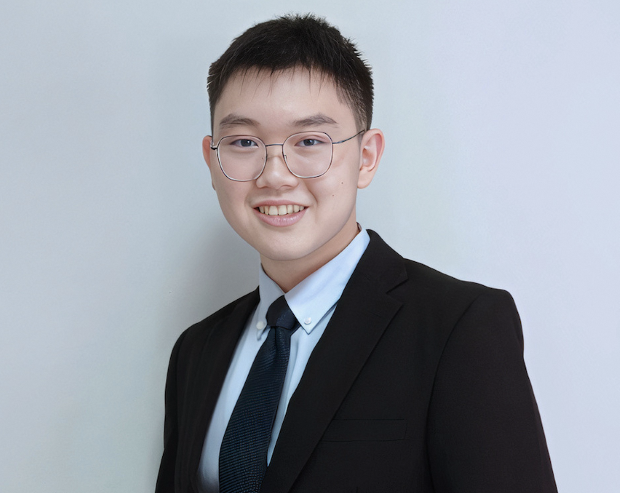
To Jaylen, he likes how contemporary CSE content is. “One key unexpected advantage I discovered was the ability to keep up with new developments and changes in the global landscape, be it economic, political or sociological. The case studies we choose and analyse in our studies or assessments are never the same, and new cases emerge every day.”
To those choosing their subject combinations, Nicholas thinks CSE pairs well with other Humanities subjects. He takes H2 History, H2 China Studies in English, and H2 Economics, and his contrasting H1 subject is Mathematics.
“CSE is a strong complement to other Humanities subjects like General Paper, History, Geography or Economics,” he observes. “The analytical skills and critical thinking allow you to make cross-subject connections, strengthening your understanding of the Humanities overall.”
“I’ve come to appreciate that China is a multi-faceted nation that must be viewed through various lenses,” he adds. “To grasp its complexities and subtleties, I found it essential to draw from both Chinese and non-Chinese sources, which helped broaden my understanding of this diverse country.”
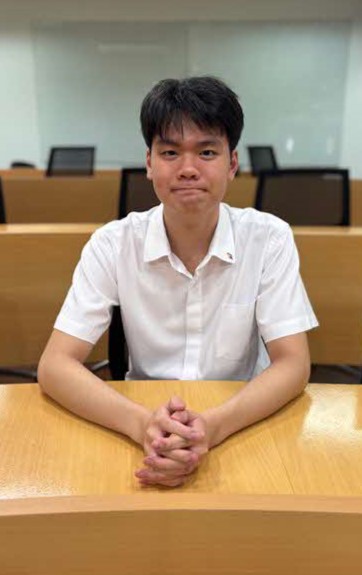
“I’ve come to appreciate that China is a multi-faceted nation that must be viewed through various lenses.”
Nicholas Wan
For students seeking an intellectually stimulating subject that combines contemporary relevance with analytical rigour, CSE offers an enriching journey. As Jaylen advises prospective students, “utilise this opportunity to inculcate a habit and love of questioning, analysing and finding out more. The habit will serve you well way after graduation”.
China Studies in English is offered at:
- Anglo-Chinese Junior College
- Jurong Pioneer Junior College
- Victoria Junior College
- Yishun Innova Junior College.
Photos courtesy of Acacia Tan, Nicholas Wan and Jaylen Chua.