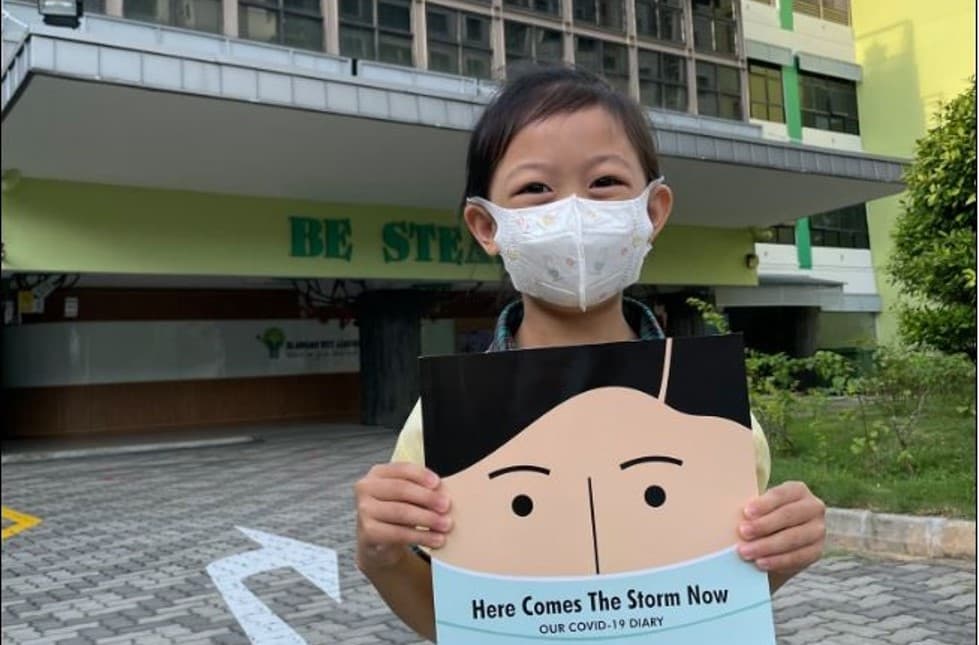





Secondary school represents the beginning of teenage years and an important stage of growth, where students are exposed to new experiences and academic, social and personal stresses. The challenges faced during this time can be significant for teens, so we speak to three secondary school students to learn about how they are overcoming these hurdles by understanding their needs and finding support in the people around them.
Ruth Kan unwinds with books and art, and says managing the boundaries between school responsibilities and play is a delicate balancing act
Like many students, the things that dampen Ruth’s everyday mood revolve around studies, such as seemingly endless piles of homework or lagging behind in revision. The Secondary 4 student at Kent Ridge Secondary School admits that managing the increased academic difficulty at the Secondary 4 level, while juggling her Student Council and floorball CCA commitments, is no small feat.
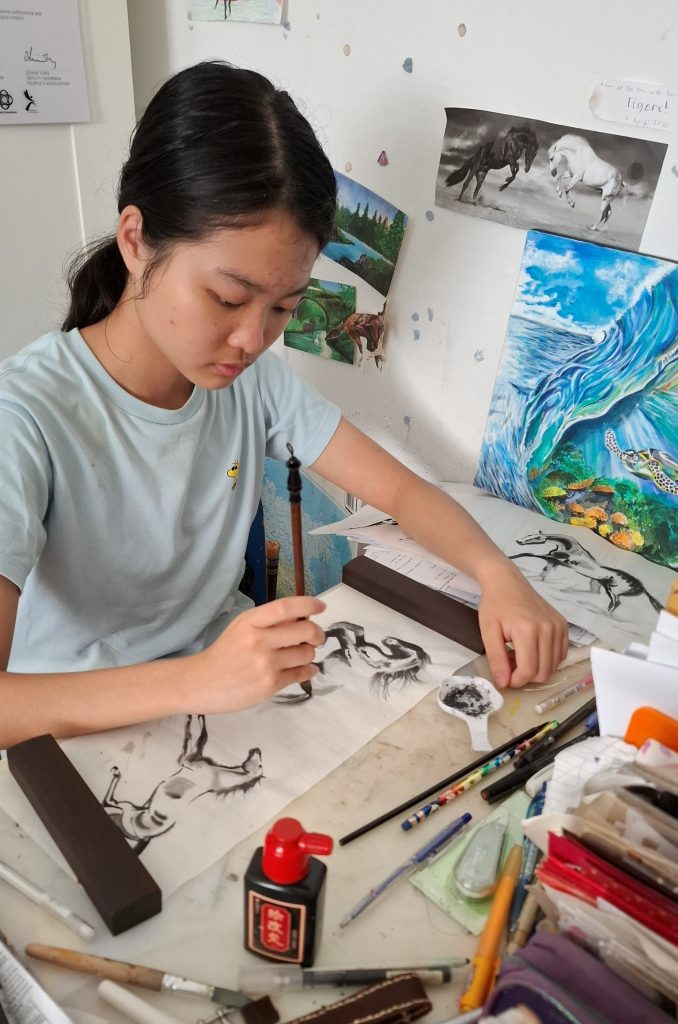
To unwind from the pressures of school, Ruth reads and sketches at home. “Since young, I have always been interested in drawing animals.” For four years now, she has allocated consistent time to practise drawing, resulting in the highly realistic animal art she produces today.
Ruth manages to juggle her hobbies alongside all her other responsibilities thanks to a keen sense of how to delineate time. While she has Student Council duties before or after school hours, “I try not to let that affect my studies,” she explains. By completing her homework and studying in school, she keeps her time at home free for recreational activities.
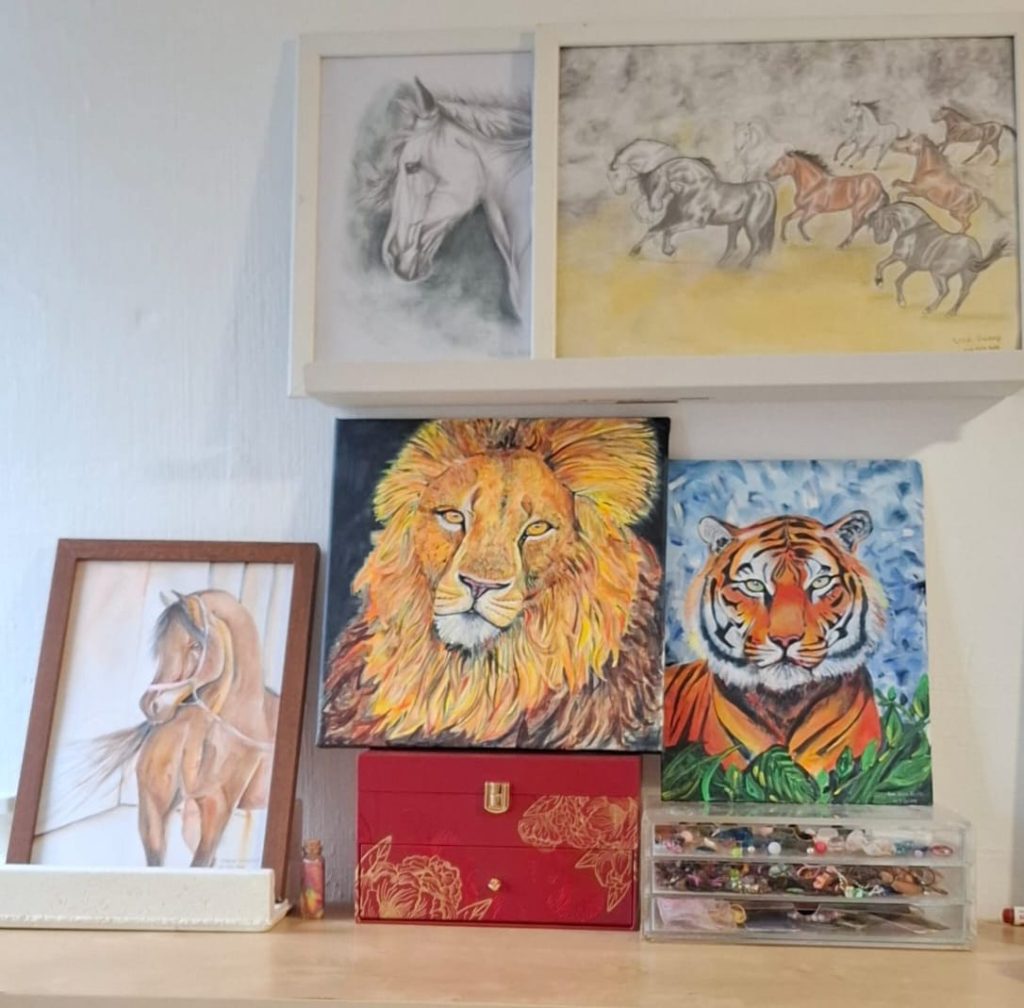
Besides that, Ruth also dexterously adjusts the amount of time she spends on recreation during busier seasons. For example, she allows herself time to do one piece of art before going back to her studies. This way, she effectively sets boundaries between work and play to keep a good balance between the two. “When I study, I study very hard. When I’m not, I don’t touch my textbooks at all.”
Ruth also credits her school’s Character and Citizenship Education programme with helping her cope with the challenging teenage years. She gives the example of how teachers have offered advice on time management to help students revise effectively and feel less overwhelmed. “In this way, we are able to learn how to navigate through our feelings and problems,” she says.
Alya Maisarah Binte Mohammad Zaki finds that confiding in her friends and dancing, or what she calls “productive outlets of expression”, help her let off steam
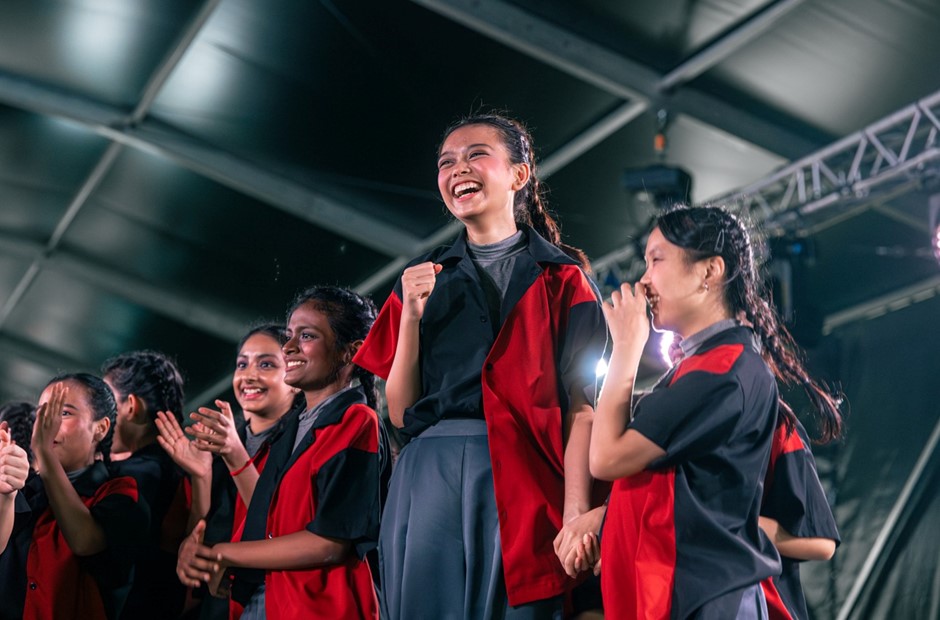
As President of the Modern Dance CCA at Bukit Batok Secondary School and a member of the Youth Leadership Council, Alya has many things on her plate. At the same time, the Secondary 4 student says the approaching ‘O’ levels has raised the pressure. “After my WA3, I realised that my studies were not as good as I had hoped. It really got me thinking whether I could get through secondary school.” Adding to the urgency is her desire to do her parents proud. “I don’t want to disappoint them,” she adds.
Then there’s the social and relationship challenges that teenagers face. “I feel that we teenagers tend to have more to deal with in relationships or friendships,” she says. “If we keep our troubles to ourselves and don’t talk it out, it can affect us mentally as well.”
What helps Alya cope, then, is having heart-to-heart conversations with her friends and family. “This way, I don’t keep my feelings bottled up.”
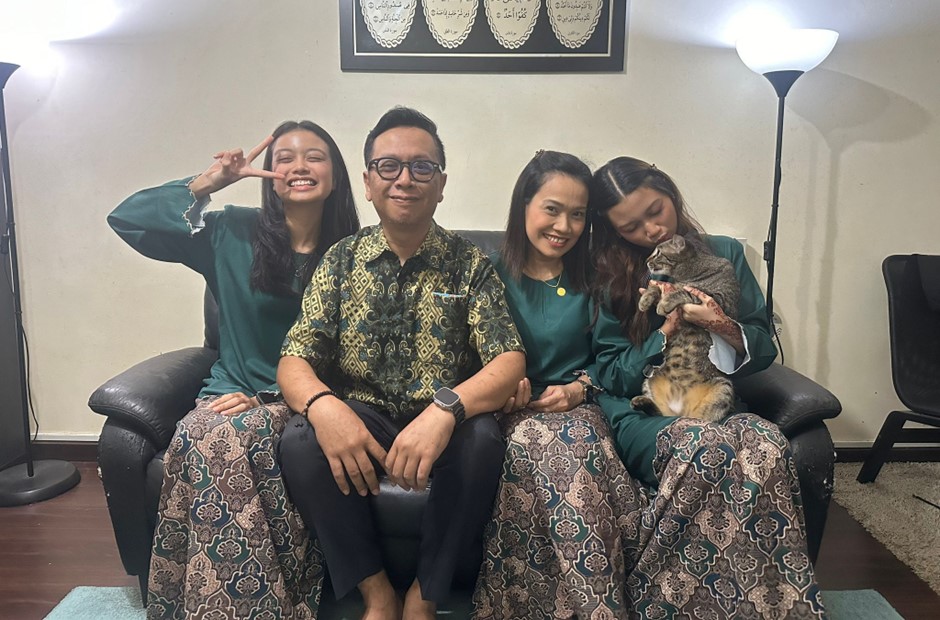
Alya is thankful that her teachers, too, have looked out for her and given her support. She remembers a day when her dance teacher noticed her gloomy mood. “She asked me if I was okay, so I shared with her what happened. It was a way for me to convey what I was feeling, and that helped me process my thoughts.”
Alya also finds relief in dance practices that improve her mood. Having danced for nearly ten years, it is no surprise that Alya unwinds by dancing. “It allows me to express my emotions and relieve stress,” she says. “If I’m studying and I feel like I need a break from it, I’ll take my phone, open TikTok and just dance to a song.” Even the daily breathing exercises introduced by her school have made a difference. “It helps me to calm myself down and start a new week fresh.”
Dhruv Saijare relies on his strong support network and decompresses with recreational activities that calm him down
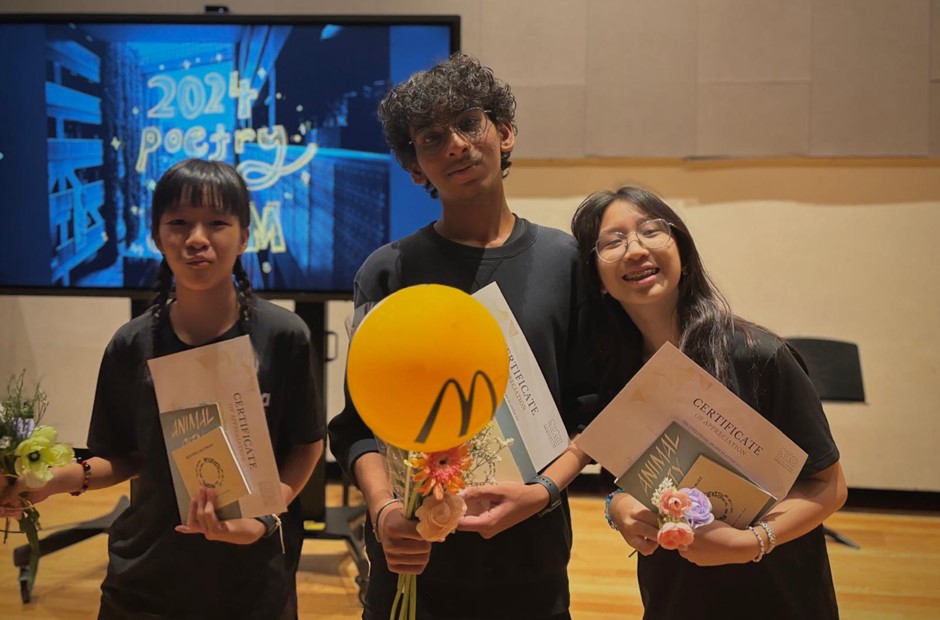
Apart from his commitments in Model United Nations and the badminton CAS (Creativity, Activity, Service), Dhruv faces the unique pressure of handling not only his academic subjects but also his art form as an equally important component of his studies. The Year 4 Literary Arts student at School of the Arts (SOTA) is “constantly thinking about what my teachers or my peers are going to think of this piece of work that I’ve created”. He ties this to teenage struggles with image and self-consciousness. “We care about what people think of us. That’s constantly hounding us in our heads.”
Going into the second half of his SOTA education, Dhruv also grapples with what he wants to do in the future – a pressure deeply felt in the arts as it is known to be a difficult venture in Singapore. “These big goals and dreams that we have… we wonder whether it’s even possible to achieve these.”
But “finding something that keeps you calm, grounded and focused is crucial for maintaining mental well-being”, Dhruv says. For him, this can mean playing the piano, listening to music, cycling or heading outdoors. To clear his mind, he writes poetry. “It makes me calm when I’m at my worst.”
Dhruv also finds solace in talking to the people close to him, whether through late-night chats with his sister or catch-ups with friends. “It just makes me aware and grateful that I have such people in my life.” Yet another source of support has come from his teachers, or class mentors in SOTA who hold regular one-on-one check-ins with students. “My class mentors are people whom I treat as sort of friends with more life experience,” says Dhruv. “I’m comfortable opening up to them, and their solutions really help me cope with my stresses.”
Having benefited from such support, Dhruv extends the same care to his friends – for instance, with little gifts like sweets or snacks. “It’s a way of showing my appreciation and telling them that I’m there for them, and that brings us closer together.”
He and his friends also attend and support each other’s art showcases, where they get to witness the artistic talents that have placed them in SOTA. Supporting each other’s artistic endeavours not only brings them enjoyment and inspiration, but also validates their abilities and boosts their self-esteem.
“My strong support system at home and in school gives me courage to face the future,” he reflects. “And it’s something that keeps me going, especially towards the IB years and beyond.”
Photos courtesy of: Ruth Kan, Alya Maisarah Binte Mohammad Zaki, Dhruv Saijare