



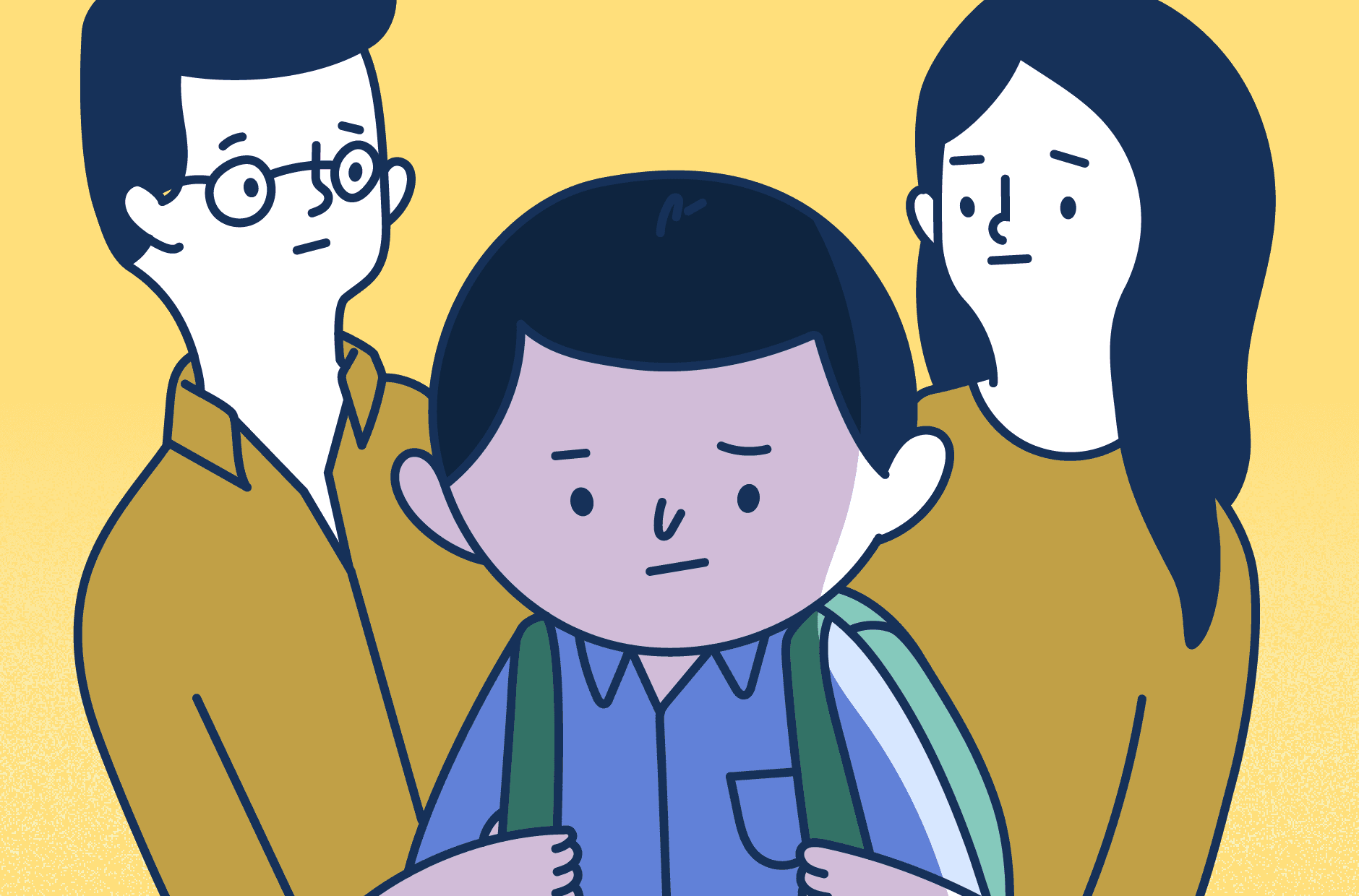
Hurtful behaviours are actions that undermine a student’s sense of safety, and hinder effective learning and healthy development. They can be physical, verbal, social, or virtual in nature – and may or may not be intentional. However, when the actions carry hostile intent, an imbalance of power, and are repeated, persistent and done on purpose, it will be classified as bullying.
Take, for example, a group discussion or group work scenario. A student repeatedly interrupts and dismisses their teammate’s ideas, leading to the latter feeling excluded and unheard. Is it hurtful behaviour? The answer is, yes. But is it bullying? That will depend on whether the student did it unintentionally, because he or she does not have the best communication skills, or on purpose, because he or she knows that doing so will hurt their teammate.
As parents, it is natural to be concerned about any hurt your child receives, especially when you are not around. You may ask: What happens to my child when I’m not there beside them? Are they dealing with something they cannot handle? How can I help?
“How would I know if my child is being hurt or bullied? And what can I do?”
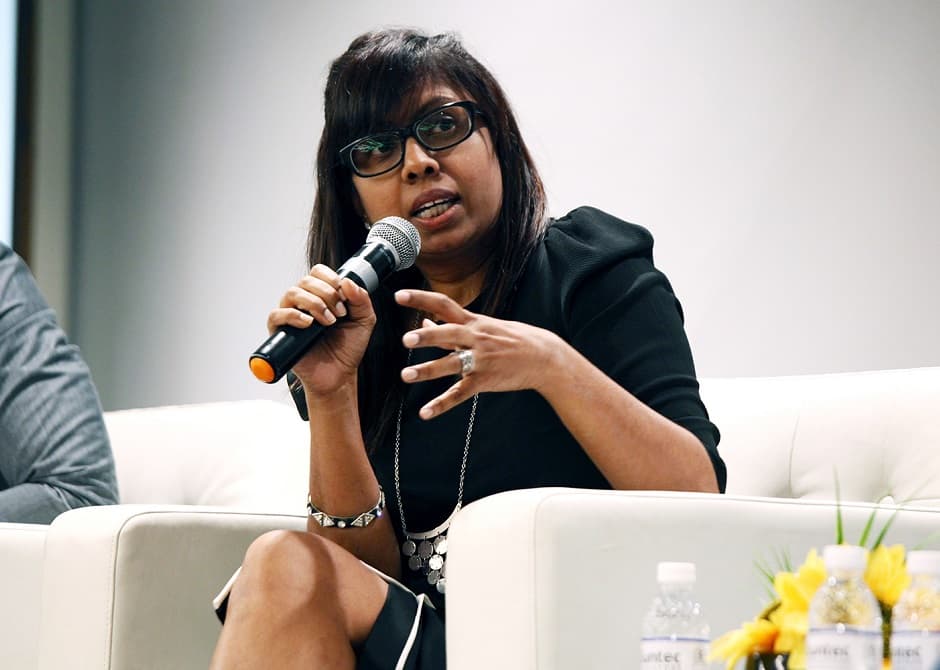
A good start is to maintain channels of honest and open communication with your child and to take a regular interest in their lives. This will make it easier for them to approach you and share any kinds of experiences when they arise, without fear of how you would react, says Ms Nicole Choong, Senior School Counsellor at Bendemeer Secondary School.
As hurtful behaviours and bullying can happen in and out of school, a strong school-parent partnership could also help to surface and manage these incidents more easily.
“What are some signs I should look out for?”
Hurtful behaviours or bullying that are of a physical nature may be the easiest to spot. Unexpected bruises, cuts or bumps are visible signs that something might be amiss. Your child might also report lost or damaged clothing, books, or stationery.
It can be more challenging to detect bullying that is verbal, social or cyber in nature. However, there are still warning signs that parents can watch out for.
“The most important warning sign of bullying is when you notice a sudden change in your child's behaviour,” says Ms Shirley Sim, Lead School Counsellor at MOE. “For example, if your normally cheerful child becomes unusually quiet for no apparent reason, this should raise concerns.”
Other signs to watch for include changes in eating or sleeping patterns, or if you notice you’re your child is suddenly losing friends, or refusing to go to school. You might also notice them becoming more sensitive than usual, such as getting easily upset by things that wouldn't normally bother them. This increased sensitivity often stems from the insecurity and helplessness that bullying creates.
“How should I respond?”
Ms Sim sets out the five things parents can do to support your child, if you suspect they are at the receiving end of hurtful behaviours or bullying.
- Start with presence and connection
Create a space for them to share their experience with you. Children are often hesitant to share difficult school experiences with parents, particularly when they are concerned about how you might react.
Being mindful of your initial responses allows you to put our child’s experience, feelings and needs at the centre. Set aside distractions, sit at their level, and listen without immediately jumping to solutions. Your presence as their safe harbour is the first intervention. - Understand their experience
Walk them gently through any scenario that has been causing them distress or discomfort, using phrases that show reflective listening – such as, “It sounds like that was really hard for you” – to help them feel heard. This emotional validation helps them process what happened. - Attempt collaborative problem-solving
Your presence and support can help build your child’s conflict management and problem-solving skills. Depending on their age and the severity of the situation, work together with them to identify options.
Help them brainstorm: “If you encounter the same situation again, do you have ideas on what you can do? Who can you approach at school to help you feel safe?”
Understanding their comfort level and readiness to take action while honouring their voice and agency is also important. You can ask them: “On a scale of 1-10, how much do you want to handle this yourself before I step in?” - Partner with School
It is important to find out more details about the incident to establish what happened. Reach out to your child’s teacher when safety is a concern. Ask if your child is comfortable with school involvement: “How would you feel if I spoke with your teacher so we can support you together?”
If investigations reveals that the hurtful behaviour is unintentional, open communication facilitated by teachers can help create awareness and restore relationships. In cases where the misconduct is intentional, disciplinary measures will be implemented by schools, and appropriate support will be provided for impacted students. Schools will also support students towards mending and restoring their relationships. - Model resilience
As parents, it may be intuitive to react strongly when you feel that your child has experienced hurt or injustice. Children tend to mirror their parents’ responses to these hurtful incidents. Role-modelling a measured response, such as managing our own emotions, suspending judgement, being gracious, and modelling forgiveness, will pave the way for your child to handle their own responses better.
Positive change also takes time and collaborative school-home partnership is essential. This could involve communicating regularly with our child’s teacher, implementing the school’s guidance, and, where necessary, carefully considering recommendations for additional support outside of the school.
Ms Sim adds, “By being their safe harbour, you can help your child face the storm without losing themselves – steady in their worth, confident in their voice, and courageous enough to seek support when it matters most.”
Also read:
.jpg&w=3840&q=75)