



In a world of shifting dynamics and evolving technologies, what role can art play in preparing our students not just to create but to connect and respond to our complex world?
Art lessons go beyond aesthetics. They are dynamic spaces where students develop curiosity, creativity, empathy, resilience, and critical thinking while learning to connect across cultures. These are essential skills for our changing world.
Imagine this: the art studio buzzes with curiosity as students gather around three water vessels – each a masterpiece from Chinese, Malay and Indian artistic traditions. With sketchbooks in their hands, they observe the forms, they examine the materials, they sketch the flowing curves, compare the patterns, discuss the colour symbolism, and uncover the stories that each vessel holds.
In groups, they discuss, they listen, and appreciate both differences and shared values. Then comes the creative challenge: design a vessel that blends these traditions whilst caring for our planet. Through this, watch the sketchbooks fill with experimental sketches, as students mix and match patterns, play with materials, and transform recycled materials into prototypes.
Through this hands-on experience, students are not just creating art, but they are also practising inventive thinking, collaboration, and cross-cultural skills while learning to respect the environment and each other.
The visual arts are not a luxury, but a necessity in education, where learning goes far beyond techniques or aesthetics.
Art teachers intentionally weave opportunities for students to instil 21st century competencies within their lessons. This ensures that students develop the capacity to navigate complexity and respond with empathy. In the process, students don’t just create art. They evolve into inventive, socially aware, and confident learners, ready to contribute meaningfully to the world.
Art is indeed a powerful catalyst for equipping students with capabilities essential for the future. Teachers might begin with collaborative projects such as painting community murals or co-designing solutions to real-world challenges. Through ideation, experimentation and negotiating ideas, students learn to adapt, communicate, and approach problems with ingenuity. These experiences go beyond art-making, shaping learners who are curious, resilient, and socially responsible.
Let’s reimagine arts education as a bridge for students to explore, innovate and confidently engage with the world.
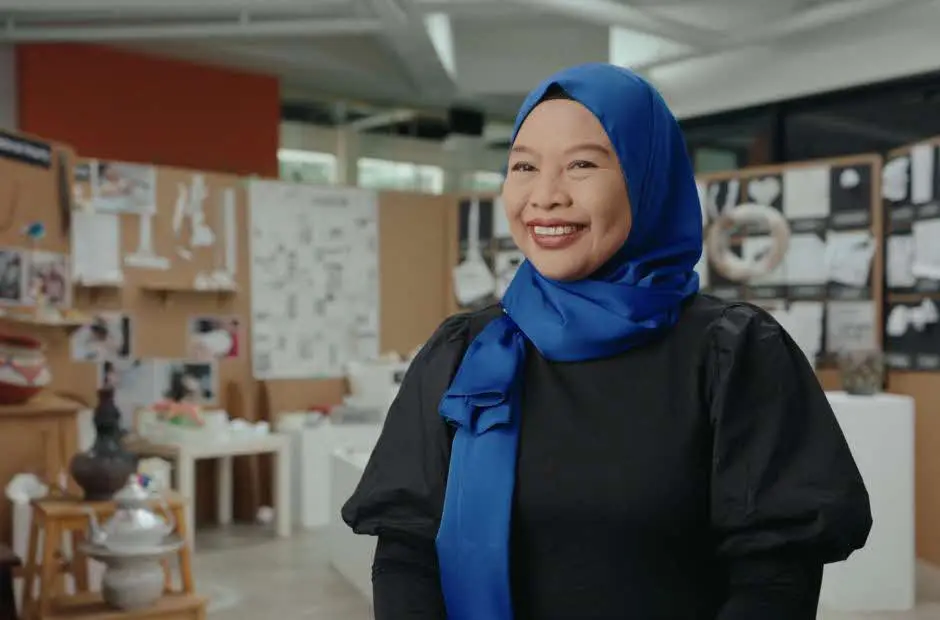
This article is adapted from Mdm Ira’s video in the STAR (Singapore Teachers’ Academy for the aRts) Thought Leadership Video Series. Watch it here: