




Mr Ahmad Arif Bin Ibrahim did Singapore proud recently, bagging a bronze medal together with his Duathlon Mixed Relay team at the 2025 SEA Games. Away from the track, he is also a maestro at Maha Bodhi School where he teaches Physical Education.
He masterfully engages students, and knows how to adapt lessons on the fly. These are not skills learnt overnight.
This raises an important question: Will he still be teaching in 2035?
The Ministry of Education (MOE) has said that it will actively hire more new educators from 2026 to strengthen our teaching workforce. But recruitment alone is not enough. Teaching must remain an attractive long-term career, and not a revolving door.
After over 20 years in education, I have witnessed teachers transform from “sages on stages” to something far more sophisticated. Experienced teachers are like concert maestros: instinctive, precise and deeply attuned to their students.
Why the experience matters
Take a disengaged student who shows little interest in the concepts taught.
An experienced teacher like Mr Arif knows how to draw him in with simple personalised applications of real-world learning, the psychological safety of established classroom routines, or interesting and appropriately challenging tasks to spark the joy of learning.
The same instinct shows up when a student is underperforming academically.
An expert educator like Mdm Usha d/o Krishnasamy, a 23-year veteran and Lead Teacher at North View Primary School will scan the class, assess their needs, and provide inclusive, yet differentiated instruction to her learners, including those with Special Educational Needs. She knows how to pitch appropriate challenges to them for confidence building, and give timely feedback so they can improve.
What students gain from experienced teachers is precious. Research tells us that they are more likely to attend school, engage constructively, and learn more.
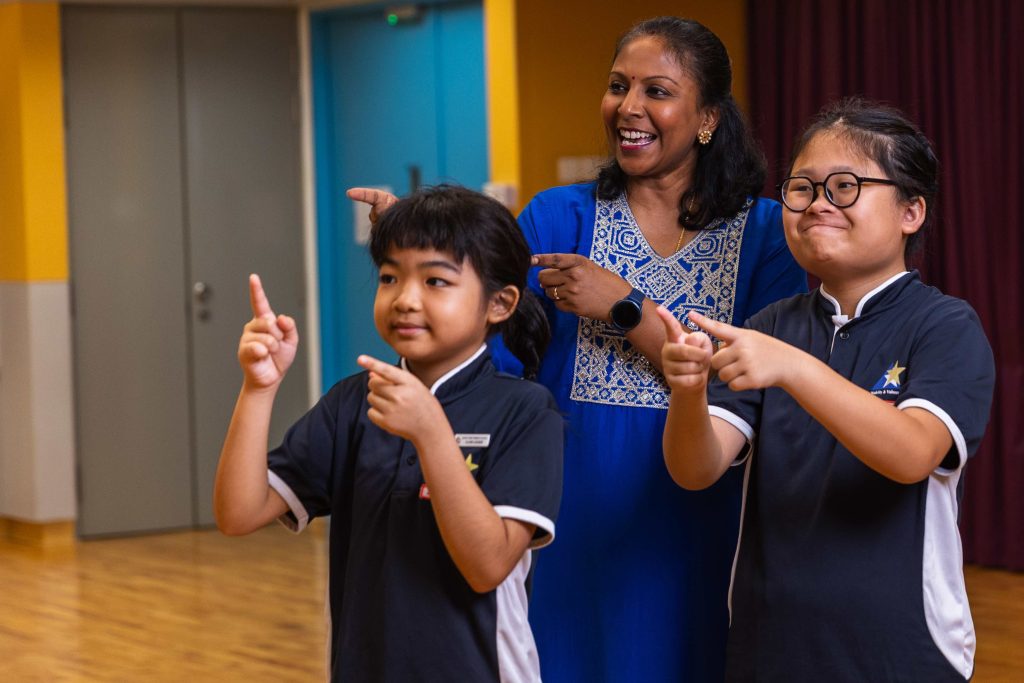
Mdm Usha d/o Krishnasamy is a President’s Award for Teachers 2025 recipient.
With the focus firmly on classroom management, learner engagement, and curriculum delivery in the early years of teaching, it takes 7-10 years for a teacher to become highly skillful with support and development.
Some think that with AI, teaching experience now matters less. I have a different take.
The hard-earned experience of our master teachers, along with their pedagogical insight and judgement guiding AI’s analytic, productive and generative capacities can create wholly new and more effective instructional designs and interventions.
I am seeing many of my colleagues already fold AI into their practice to increase productivity. Their time is freed up for the uniquely human work of inspiring students.
The OECD’s Teaching and Learning International Survey (TALIS) 2024 reported that Singapore’s teachers lead globally in adopting AI for teaching. They are weaving AI tools into their internal repertoire such that these tightly coupled purposeful human-AI collaborations increase their competence further to design even more effective lessons.
Technology will never replace our teaching expertise, but it can enhance it.
Yet teachers are also facing new challenges. Rapid technological change, complex student interactions, and rising parent expectations add on to existing strains.
When incidents spill into personal time and administrative processes consume scarce bandwidth, these pressures compound. Over time, such pressures can discourage talented young teachers from staying on and reaching their potential to make a difference in their students’ lives.
Weeding out what wears teachers out
Over the years, MOE has taken several measures to tackle challenges teachers face.
To protect teachers’ personal time, the School-Home Partnership Guidelines were refreshed in 2024. Technology has been leveraged to reduce the administrative burden with solutions like digitalised procurement, online absence notifications, and AI-powered tools for student remarks and testimonials.
In 2025, we reviewed the Teacher Work Management Framework that guides School Leaders and empowers them to accord teachers flexibility in different seasons of life, recognising their family and caregiving responsibilities.
Educators like Mdm Lee Siok Kwan, who taught English and PE at Woodgrove Primary School, are able to step away for a few years to focus on family. With her Principal’s support, Mdm Lee could devote her time to raising four children, before she returned to fulfill her passion in the classroom.

Mdm Lee Siok Kwan is also a President’s Award for Teachers 2025 finalist.
To help teachers focus during high-intensity periods, MOE has adjusted the school calendar to dedicate a few days for GCE ‘N’ and ‘O’ English and MTL oral examinations. The consolidation of the written national examinations into a common block from 2027 will also help. Teachers’ time during school holidays is also protected and each year, teachers have 6 weeks of protected leave.
To keep the spark alive, support and development is crucial. Some teachers with many years of experience like Mr Mohan Krishnamoorthy take on the role of mentors to protect younger colleagues from burnout. He encourages them to bring their interests to work, just as he brings his love for biodiversity to Greendale Primary School through environmental programmes.
To better prepare new teachers and support mid-career switchers, the Postgraduate Diploma in Education will be refreshed from 2027.
Younger teachers care about career development as much as their daily experience in schools. Based on their own career aspirations, teachers can pursue leadership, teaching and specialist tracks to maximise their potential.
Making teaching a sustainable career
Realistically, whether teachers stay or go is also influenced by the compensation and benefits. So MOE introduced a retention bonus scheme previously, with payouts extending over thirty years. Future steps on career health and remuneration that keep pace with the rest of the public service will provide concrete assurance.
Just as important is the social contract around teaching. When parents and the wider community trust teachers’ professionalism and best intentions, teachers will feel supported to give their best.
Our shared goal of wanting the best for our children can help us move forward constructively, with mutual respect. When society values teaching expertise, we create stronger conditions for teachers to stay on and contribute.
Am I optimistic that teaching will remain attractive and deeply rewarding? Absolutely.
The teachers we need in 2035 are already here in our schools. The key is to continue to nurture their expertise while addressing the challenges that surface in a rapidly changing world.
By retaining good teachers, we’re essentially cultivating the master educators who will define Singapore’s educational excellence for decades.
Let’s ensure that maestros like Mr Arif continue inspiring students well into the next decade.
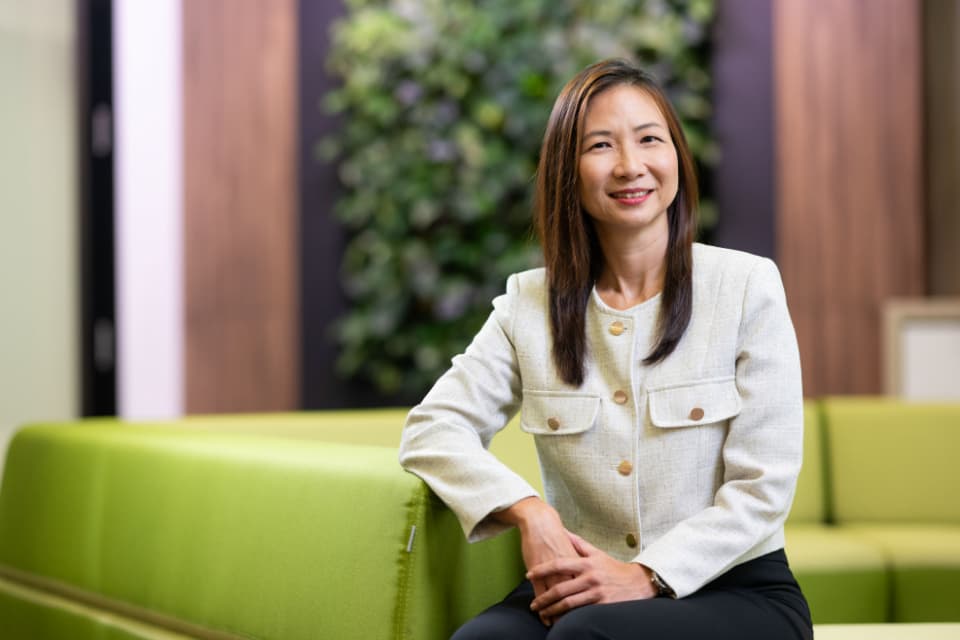
Ms Liew Wei Li is the Director-General of Education at the Ministry of Education.
This article was first published in The Straits Times.
.jpg&w=3840&q=75)