




MK@Dazhong “It’s Okay to Not Be Okay” Programme
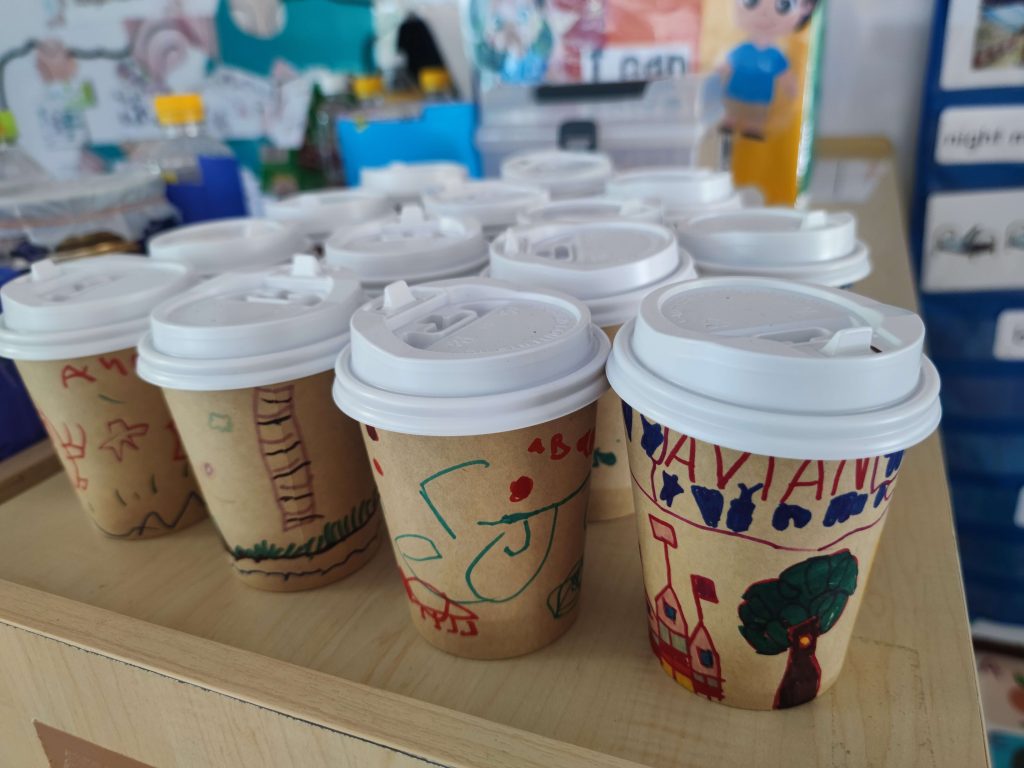
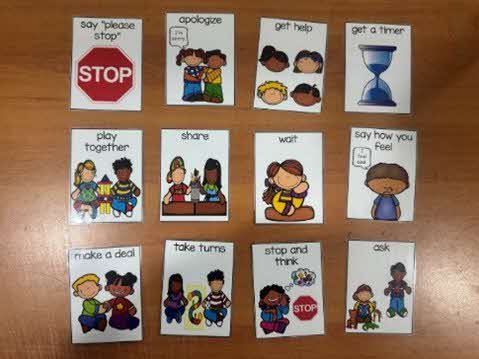
Teachers introduced the Emotional Cups and Self-Help Kits to help children learn skills such as managing disagreements, navigating misunderstandings, or taking turns between peers.
These simple tools give children a healthy outlet to express their feelings, reflect, and resolve them.
For example, they doodle how they feel on pieces of paper, which are then ‘stored and secured’ in their personalised cups, after which, they explore what they can do using the picture cards in the self-help kit.
“As a teacher, it’s incredibly rewarding to witness how these small tools are making such a big difference. Seeing our children respond with such enthusiasm, kindness and confidence is the most joyful outcome of all.”
Ms Vaeshanavi Manoharan
MK Level Head at MK@Dazhong
MK@Tampines Social and Emotional Check-in Corner
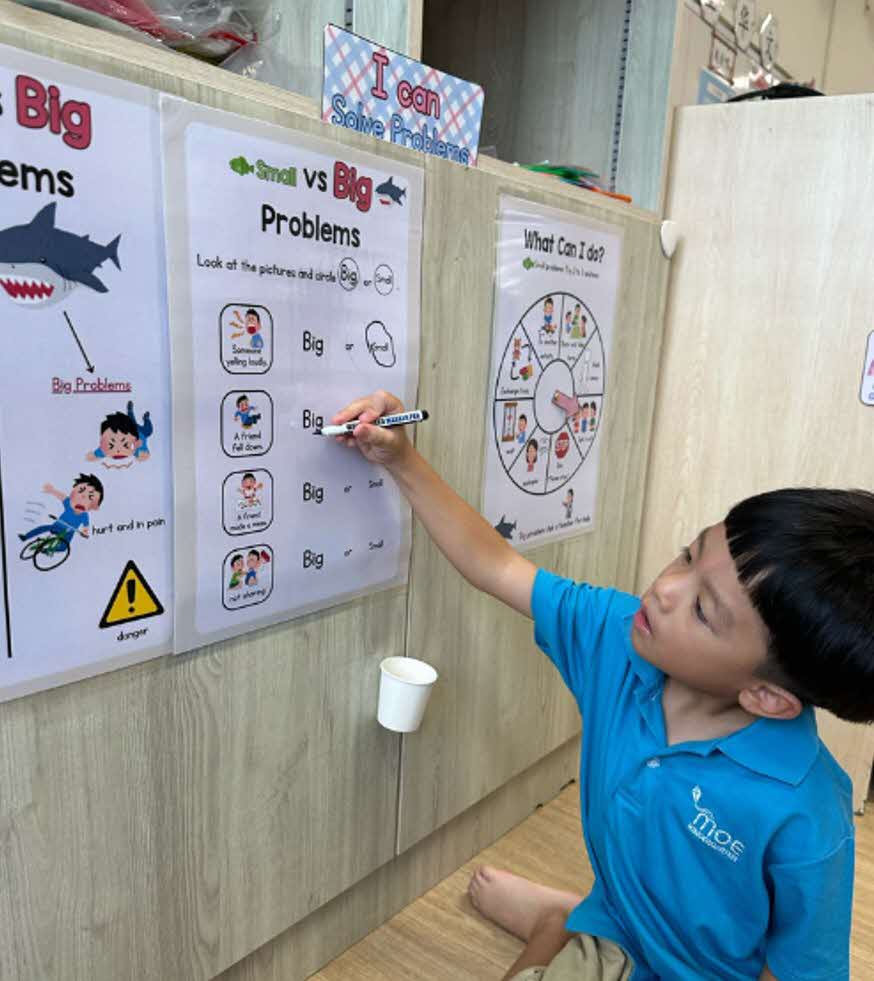
Here, children are given the time and space to pause and reflect on their emotions.
Resources such as emotion charts empower them to recognise, name and navigate their feelings. The space helps little ones develop self-regulation skills through calming strategies like deep breathing, sensory tools and fidgets.
“Teaching values can be an abstract concept for children. As teachers, we break down what each value looks like in real-life situations and make it as concrete as possible to the children.”
Ms Sasha Leung
MK Level Head at MK@Tampines
MK@Punggol Green Zones of Regulation
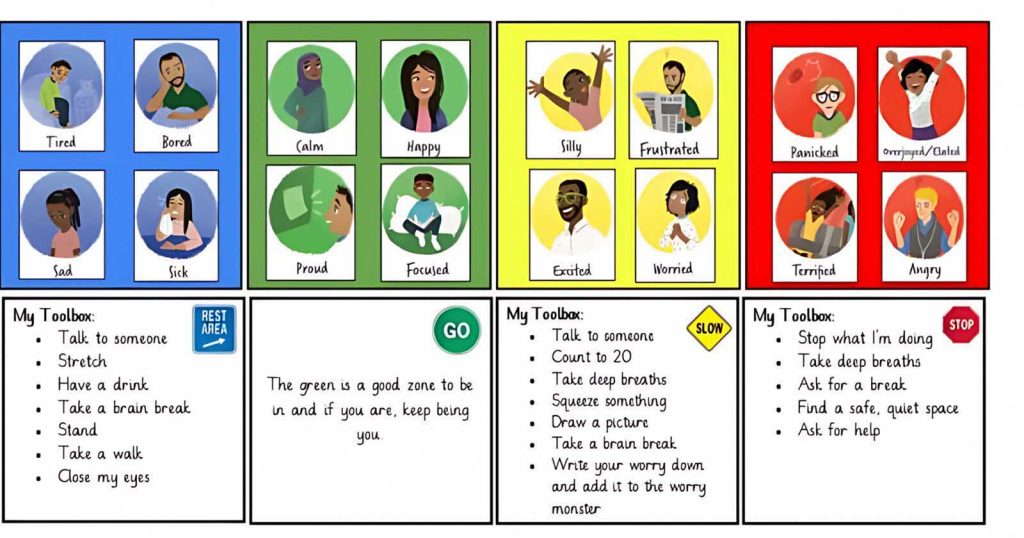
Children are taught about the ‘Zones of Regulation’ to build awareness of their feelings and understand the impact of their behaviour on others.
Though activities such as dramatisation and charades, the children learn to identify the emotional zone they’re in. They can then choose calming tools or strategies, and reflect on their actions and manage peer conflicts with empathy.
“Every day, our little ones are learning that emotions aren’t something to ‘fix’ — they’re something to understand. As our children become more confident in understanding their emotions, they develop better skills in managing peer conflicts. Identifying ‘expected’ and ‘unexpected’ behaviours helps them reflect — moving away from labels like ‘naughty’ or ‘bad’.
Ms Fatin Adawiyah
Deputy Centre Head at MK@Punggol Green
More about MK’s latest happenings in the First Flight newsletter: https://go.gov.sg/ff20meta