




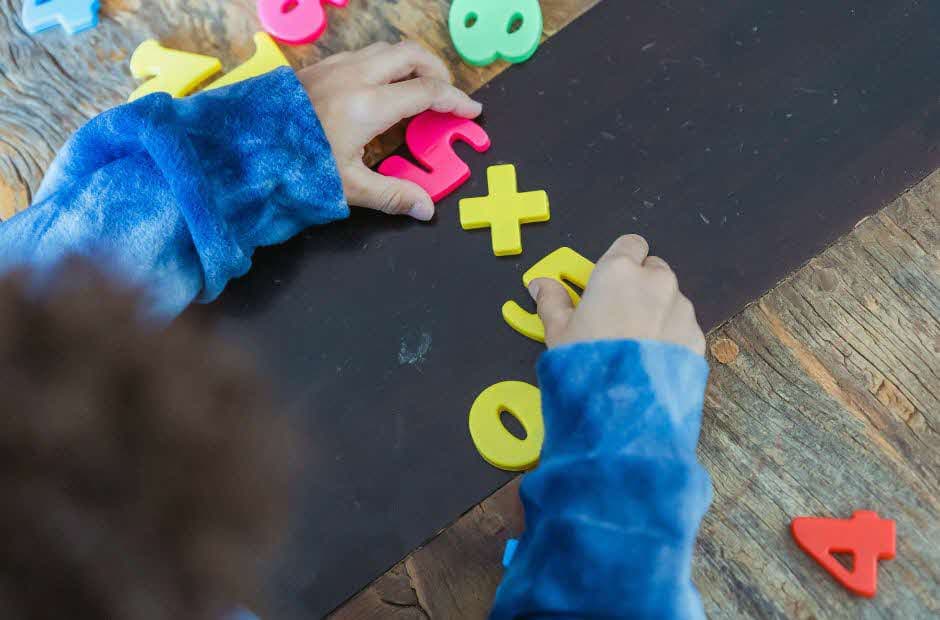
In the race to give our children a head start in Primary 1 Maths, it is all too tempting to reach for worksheets, make them recite repetitively the multiplication tables, and practise counting way beyond 10. But what if the key to building a solid foundation in numeracy can be found in everyday routines and conversations, in the kitchen and even when doing laundry?
Ms Samantha See Xueyi, a lecturer specialising in early numeracy at the National Institute of Early Childhood Development (NIEC), says overpreparing kids by making them do worksheets and memorise multiplication table is not early numeracy.
“What we should be doing is to help them develop a deeper understanding of the concepts and skills in a developmentally appropriate manner,” she clarifies.
What are pre-number concepts
Recognising relationships through matching, sorting, comparing, ordering and patterning, as well as understanding basic shapes and spatial concepts, are known as pre-number concepts. These help children build the foundational logical thinking to support more complex mathematical thinking in Primary school, explains Ms See.
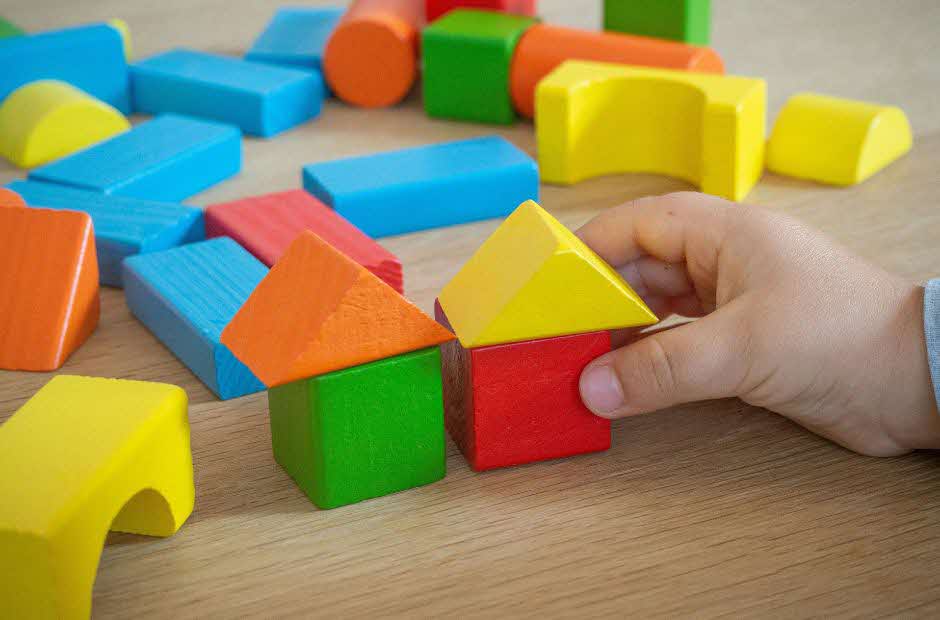
Blocks can be used to teach shapes, spatial reasoning and colours, which are important for numeracy learning
For example, a child learns to match two coloured objects. Then, they use their understanding of matching to pair a numeral card to a corresponding quantity of items when they are developmentally ready.
Subsequently, they will go beyond these pre-number concepts as preschool teachers introduce number relationships, exploring ideas like “more than” or “fewer than”when comparing quantities.
“There is also an important concept – part-whole relationships – which helps children see the relationship between the whole and its parts. For example, understanding that 10 can be represented as eight and two helps prepare children for future addition and subtraction sums,” explains Ms See. “Many people don’t realise that the ability to make 10 very quickly mentally helps later on when they work with bigger numbers.”
Why mastering the basics matters
Take, for example, two children. One simply memorised “2 + 3 = 5” and can fill up the worksheet accurately. Ask them to explain why, and they may tell you, “I don’t know”. The second child, by contrast, shows the pencils in her pencil box, “I have two pencils. When I take three more pencils and put them all together, I can count five.”
What this second child has shown is logical and conceptual understanding of addition which is required for more advanced Maths learning.
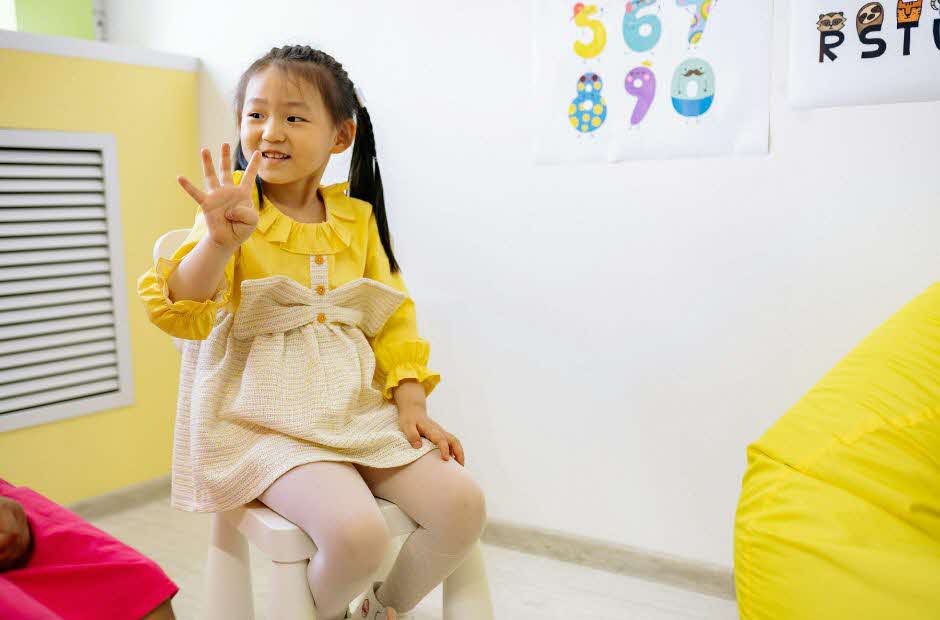
Being able to describe their thought process and explain how they arrived at their answer means the child understands the concepts of numeracy
The same can be said of children who are able to rote-count to 100; it doesn’t mean that they have grasped the concept of tens.
Under the Nurturing Early Learners (NEL) framework, which is developed through years of research and guides preschool education in Singapore, Ms See says preschoolers only need to be able to rote-count up to 20.
“But when it comes to truly understanding numbers and their quantities, we let them rote-count up to 10 first. Children should understand the concept of what makes 10, and that the number of items in a group of 10 things stays the same, even when items are rearranged,” Ms See shares.
How to build numeracy using everyday experiences
Helping children enjoy learning and see how numeracy fits into their daily experiences is also a key priority of the NEL Framework. Instead of racing ahead with memorisation of sums and drilling in worksheet exercises, Ms See says that early numeracy should begin with something much simpler:
“It is really just as simple, fun, and stress-free as telling your child, ‘Let’s build a tower of 10 blocks’, when they are playing with building blocks,” says Ms See. This helps children to count to ten, do one-to-one matching while counting, and understand that the last number counted is the quantity they want.
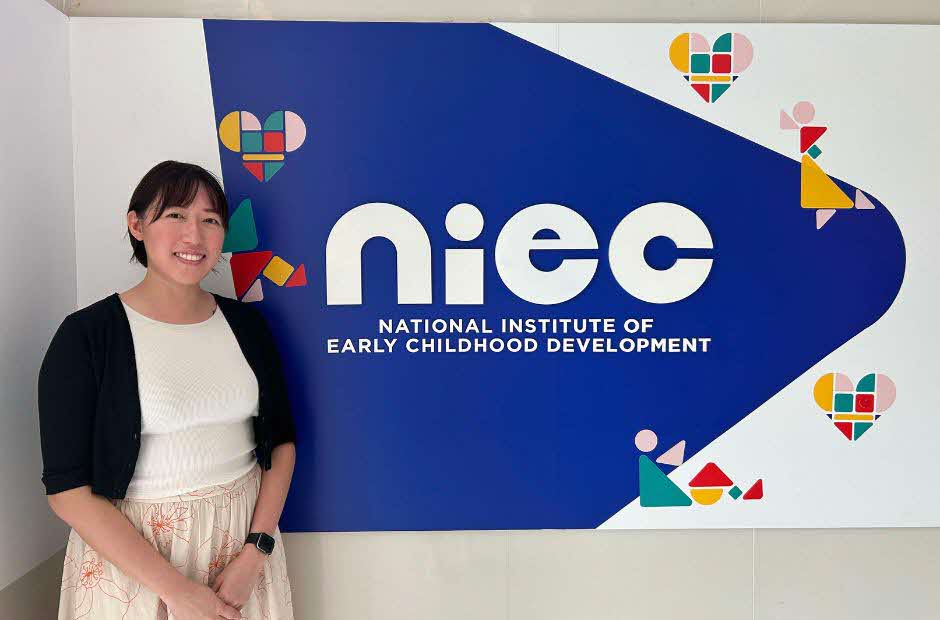
NIEC lecturer Ms Samantha See Xueyi tells parents that it is important to understand what’s developmentally appropriate for their child, and master the basics before moving on to more difficult Math concepts
Even sorting and matching socks, and categorising clothes, while doing laundry can help strengthen pre-number concepts. “These are daily experiences that help children learn numeracy without it feeling like a chore,” says Ms See. “Many of us grew up a system where Math might have felt a bit daunting, but it doesn’t have to be so for our kids.”
Children also learn subconsciously that “numeracy is everywhere” – and not something that is confined to the classroom. “Math is in everything you do. Even if you don’t realise it, you’re using it every day,” said Ms See.
“If my child doesn’t do assessment books, how do I know that they are learning?”
“Starting kids early on worksheet-based learning may unintentionally make them link numeracy with worksheets – and diminish their love for numbers,” Ms See explains. She also cautions against using assessment books as a benchmark for a child’s numeracy progress, adding that many include content that may not be developmentally appropriate for preschoolers.
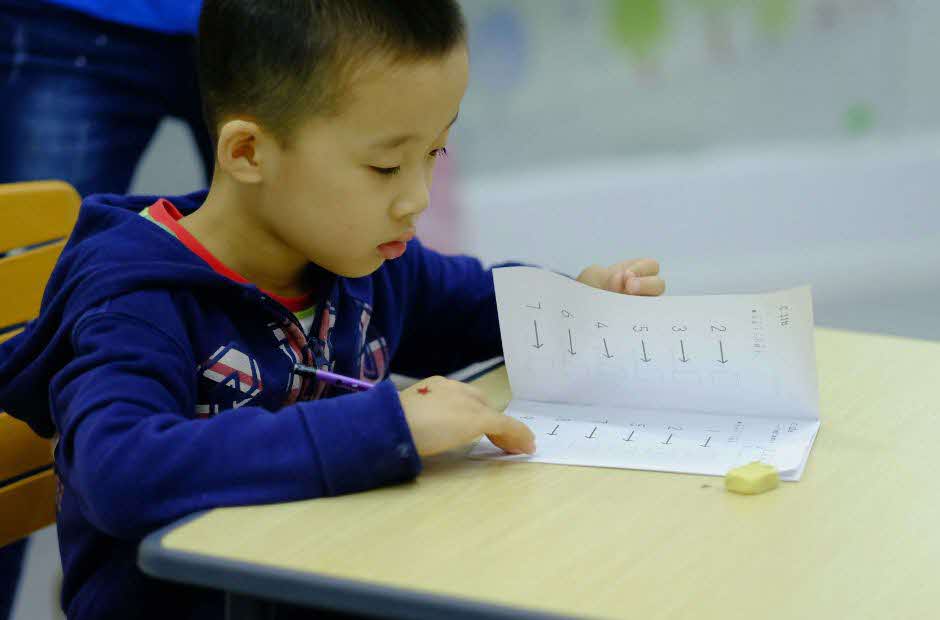
Assessment books are not a benchmark for a preschooler’s numeracy progress as the content may not be developmentally appropriate for children at this age
In preschools, educators are guided by the NEL Framework. But there is no governing body overseeing assessment books targeted at preschoolers, she points out. This can sometimes lead to unrealistic expectations.
“I’ve seen parents work through assessment books with their children in cafes or fast-food outlets. Both parties then get stressed when the child doesn’t understand something. It’s important to understand that children all develop at different rates,” Ms See adds.
For parents who are worried that their child is lagging behind, Ms See suggests raising their concerns with their preschooler’s teacher, who will be able to provide insights and age-appropriate advice.
And as for those who genuinely feel that their child is ready to tackle assessment books or more advanced numeracy practices, Ms See advises them to observe their child closely and carefully. “If your child grows resistant to these exercises, it could be a sign that they’re not ready for the more advanced assignments.”
Ms See also warns against overpreparing kids for Primary 1. “Sometimes, when children have already learnt what is being taught in class, they may get bored, switch off and disengage. I’ve seen children say things like, ‘I’ve already learnt this, why do I have to do it again?’ This mindset can lead to other issues, such as missed opportunities to strengthen their understanding of the topic.”
4 fun ways to grow your preschooler’s number sense
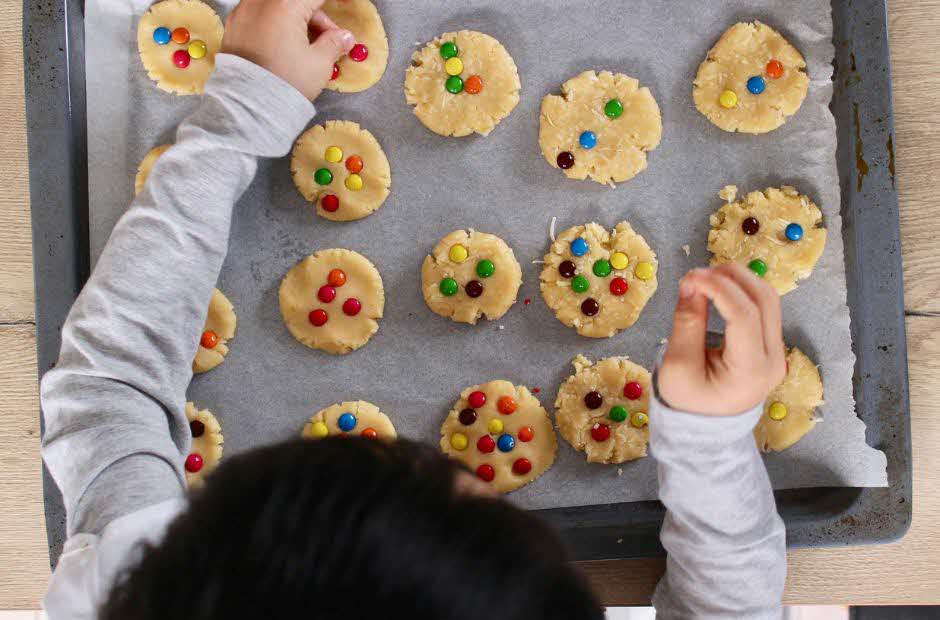
1. Sort and match
Get your child to match socks or sort laundry into categories – T-shirts, pants, and so on. Sorting toys into different boxes after playtime helps too. These activities strengthen their understanding of early concepts like “same and different” and “grouping”.
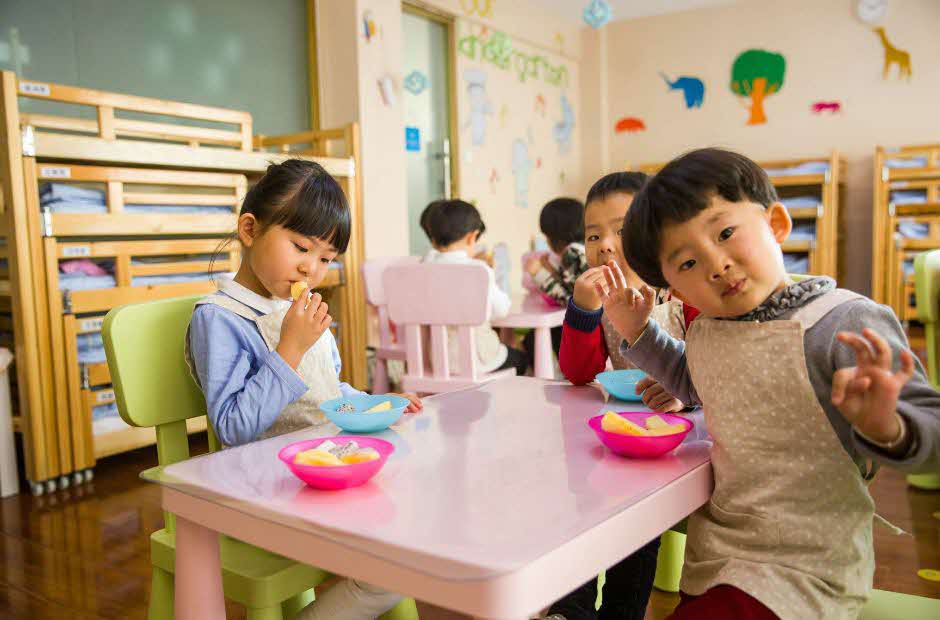
2. Compare and talk about “more than” or “less/fewer than”
Children love to notice who has more or less food on their plates, so use snack and mealtimes as playful opportunities to teach them to compare quantities.
“I have three apple slices, you have two. Who has more?” Simple comparisons like this help preschoolers grasp quantity and number relationships.
3. Make counting part of the day
Count steps as you walk to the lift. Count plates when setting up table. Count toys when tidying up.
Even daily toothbrushing can turn into a counting game! “Let’s brush up to 10 times on each side!”
Trips to the supermarket can also help your child learn counting. Ask them, “Can you help me get two boxes of cereal?” or “Let’s find five red apples.”
All these hands-on tasks reinforce counting and concept of quantity.
4. Use everyday items around you, especially when outdoors
Collect leaves or stones when you are out, and compare their colours, sizes or quantity. Ask questions such as, “How many brown leaves do we have? How many green leaves do we have? Which one is more?”
Outdoor play also gives children a chance to spot patterns, shapes and sizes in their environment.
Photos courtesy of: Keira Burton, Yan Krukau, Alex Green, Naomi Shi on Pexels; NIEC; Jerry Wang, Michał Bożek, Olivia Oliver Design on Unsplash
.jpg&w=3840&q=75)