




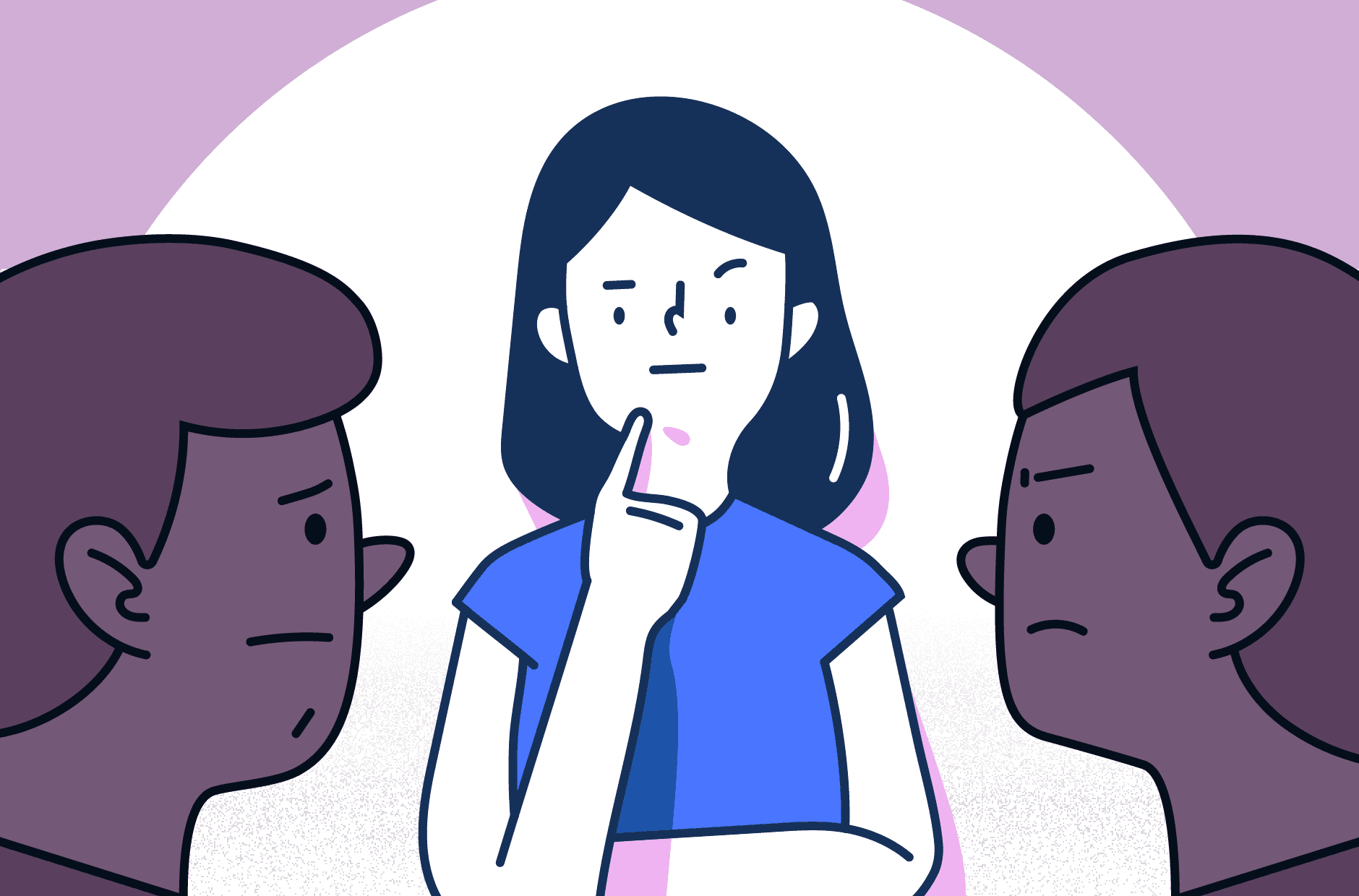
Two students get into an argument, a bag is tossed, a shirt is grabbed. One student storms off and complains to his teacher of being bullied. But was it a case of bullying or was it not?
The short answer is, it depends.
Unkind and hurtful acts that include sensitive words and/or actions are classified as hurtful behaviours. They undermine a student’s sense of safety, and hinder effective learning and healthy development. They can be physical, verbal, psychological, social, or virtual in nature.
Hurtful behaviour crosses the line into bullying when the actions carry hostile intent, an imbalance of power, and are repeated, persistent and done on purpose.
Why investigating intention matters
Schoolbag spoke to a teacher and two school counsellors, who shared how more incidents are being brought to light these days as students are more aware of what bullying means and how they can put a stop to it.
However, the increased awareness also leads to the word “bullying” being used loosely for all kinds of situations that a student is unhappy with. Hence, teachers need to investigate the incidents brought to their attention before jumping to conclusions.
What our interviewees also agreed on was how seriously their schools take the issue of bullying, which can cause deep hurt and leave serious physical and emotional effects on their victims.
Sometimes, it’s a misunderstanding
Some students who repeatedly tease another may say they are just playing, and if the target plays along, it may not count as bullying. But if the target feels preyed upon, it may count as bullying. The experience of both targets can be very subjective and the intent is sometimes hard to decipher.
Mdm Jade Chee, a Senior School Counsellor in Serangoon Secondary School, says that bullying is a topic that comes up regularly in her conversations with students and parents. While all reports of bullying are taken seriously and are followed up on, Mdm Chee’s experience also tells her that some reports may arise due to misperceptions of what actually happened.
She shares an incident where a student said that he was bullied because he had passed his homework to a classmate for handing up in class but the classmate did not do so. It turned out that the classmate had to rush off for his CCA and simply forgot about his request.
Misunderstandings like this are not uncommon, so teachers always try to understand better the turn of events and intent when they step in.
“We want to understand the situation before using the word ‘bullying’, as doing so may increase anxiety among students and parents. Parents care for their children and want to protect their children’s well-being. So, it’s important that we help them to make sense of what has happened and manage the misperceptions,” says Mdm Chee.
When mean comments mean more
Among students, a lot depends on their interpersonal relationships too. The same words could be perceived as friendly teasing if it came from a friend, but if another not-so-close classmate says the same thing, it may be perceived as mean. The reverse is true too. A throwaway word used by a close friend can be more hurtful than if it were said by an acquaintance or stranger.
Ms Ng Hui Yin, Subject Head of Student Management at Yio Chu Kang Secondary School, elaborates that the use of “mean” words often reveal deeper gaps in students’ empathy and social awareness. She cites an incident where two good friends got into a quarrel and one of them used the word “useless” on the other, without fully understanding the impact it will have on their friend. Because of their close relationship, and the fact that they know each other’s family situations so well, the word became more hurtful than intended.
“In such situations,” says Ms Ng, “I adopt an educational and restorative approach. I would first speak to both students separately to understand their perspectives before bringing them together to mediate. I guide them to reflect by asking questions like, ‘Why do you think those words affected your friend so deeply?’ and ‘How would you feel if someone said that to you?’ Through these conversations, we help them rebuild trust, strengthen their friendship and, more importantly, learn how to communicate with care and respect.”
So schools, through Character and Citizenship Education (CCE) lessons as well as fostering a positive environment for students, encourage empathy by raising awareness on hurtful behaviour. Students are also equipped with alternative words and a wider vocabulary to help them better describe situations they are in, such as “they were being unkind to me”.
Coaching social skills can help with managing hurtful behaviours
“Some students may not have developed strong social skills, and this can impact their relationships with their peers. For example, they may have done something that their friend or classmate perceived as hurtful behaviour, which then triggered the latter to retaliate or reflect the hurtful behaviour on them,” says Ms Choong.
Thus, coaching of appropriate social skills can be helpful in managing relationships with peers.
The importance of restorative measures and taking a proactive approach to stop hurtful behaviours and bullying
Building and restoring relationships between the students are the ultimate goals, teachers and counsellors say, not assigning blame or punishing.
The intent is to reduce and prevent incidents, including proactively managing small hurtful actions or mean remarks. Quickly labelling students as bullies or brushing incidents off do not help the situation or foster positive peer relationships.
Every incident is different and care should be taken to understand the situation and ensure that all perspectives are taken into consideration. Schools take a serious view of every incident where hurt or harm happens, and perpetrators need to face up to the consequences.
At Yio Chu Kang Secondary School, Ms Ng says that every report of hurtful behaviour or bullying triggers a clear process focused on accountability, restoration and learning. Students – those involved in the incident directly, as well as their peers – are interviewed to get a clear picture of what happened. The team then looks carefully at the context and severity of the case before deciding on the appropriate consequences.
“Beyond disciplinary actions, the school emphasises restorative practices to help repair relationships and rebuild trust between students. Counselling support is also provided when necessary, so that both the affected student and the student who caused the hurt are guided to reflect, learn and grow from the experience,” elaborates Ms Ng.
To ensure that everyone is on the same page, the school conducted an assembly talk at the start of the year to help students understand the difference between bullying and hurtful behaviour, as well as the reporting channels available.
At the same time, the school also proactively launched one of the initiatives of their kindness campaign, Caught Being Kind, where students earn Kindness Cards by carrying out small, everyday acts of kindness or using encouraging words with their peers. Says Ms Ng, “By fostering a culture of kindness, students are more likely to look out for one another, speak up against bullying, and contribute to a safer, more inclusive school environment.”
Also read: